Blog

  • CT Homebuyer Programs 2025: Grants, Aid & Eligibility

    CT Homebuyer Programs 2025: Grants, Aid & Eligibility

    Introduction to Homebuyer Programs in Connecticut

    As we move into 2025, Connecticut continues to offer a range of homebuyer programs designed to assist residents in purchasing their first home. Whether you’re a new buyer or looking to upgrade, understanding available grants and financial aid can make a significant difference in your home-buying journey.

    Types of Homebuyer Assistance Programs

    Connecticut provides several types of assistance for homebuyers, including down payment assistance, closing cost grants, and low-interest loans. Programs like the Connecticut Housing Finance Authority (CHFA) offer resources specifically tailored to help eligible buyers navigate the often daunting process of purchasing a home.

    real estate assistance

    Grants and Financial Aid Opportunities

    In 2025, various grants and aid programs will be available. For instance, CHFA’s Down Payment Assistance Program allows eligible buyers to receive up to $15,000 to assist with the upfront costs of purchasing a home. Additionally, local governments may offer their own grants to support community development and help first-time homebuyers.

    Eligibility Criteria for Homebuyer Programs

    Eligibility for homebuyer programs usually hinges on income limits, credit scores, and the location of the property. Most programs are geared toward first-time homebuyers, but some may also cater to repeat buyers under specific conditions. It’s crucial to check the specific requirements for each program you are interested in.

    How to Apply for Homebuyer Programs

    Applying for homebuyer assistance in Connecticut is a straightforward process. Begin by researching the programs available and determining which ones you qualify for. Gather necessary documents like proof of income, credit history, and personal identification. Many programs allow applications to be submitted online, making it easier than ever to access the support you need.

    Conclusion: Your Path to Homeownership in CT

    In conclusion, 2025 presents a wealth of opportunities for Connecticut residents looking to purchase their first home. By exploring available grants and understanding eligibility criteria, you can take significant steps toward achieving homeownership. We encourage you to reach out to local housing authorities or financial advisors to help guide you through the process.

    homeownership programs
  • Sell Faster in New Haven County: 7 Fixes That Actually Pay Off

    Sell Faster in New Haven County: 7 Fixes That Actually Pay Off

    Enhance Curb Appeal

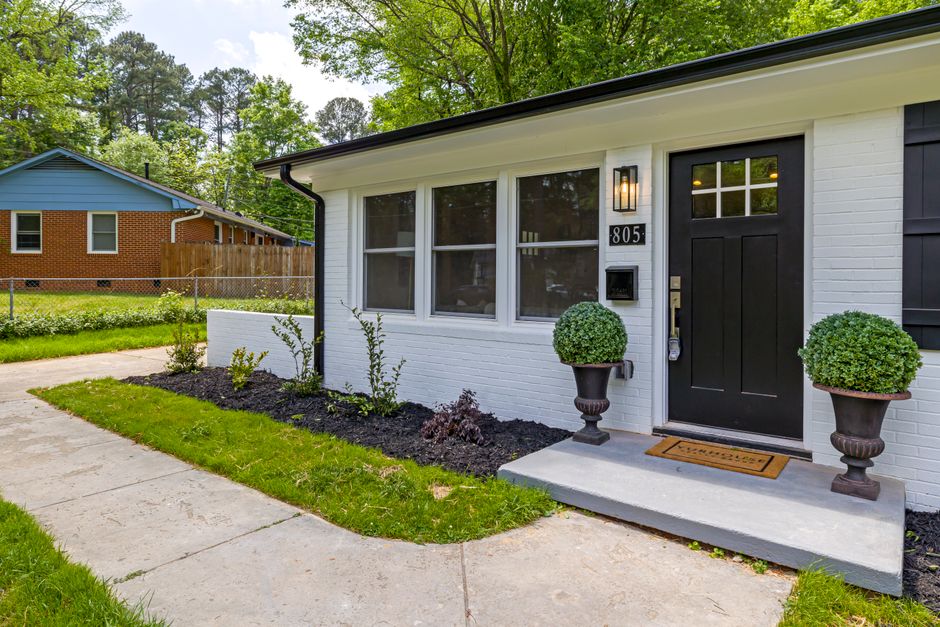
    First impressions matter! Boosting your home’s curb appeal can be a game-changer. Simple fixes like mowing the lawn, trimming hedges, and adding colorful flowers can make your property more inviting. Consider a fresh coat of paint on the front door to add charm. In New Haven County, where many homes have beautiful landscaping, ensure yours stands out by maintaining a clean and attractive exterior.

    Declutter and Depersonalize

    Buyers want to envision themselves in your space, but personal items can be distracting. Take the time to declutter your home, removing excess furniture and personal photos. This not only makes your home look larger but also allows potential buyers to imagine their own belongings in the space. In a competitive market like New Haven County, this step can significantly enhance your property’s appeal.

    curb appeal

    Make Strategic Upgrades

    Investing in strategic upgrades can lead to a higher return on investment. Focus on areas that buyers prioritize, such as the kitchen and bathrooms. Consider replacing outdated fixtures, adding a modern backsplash, or upgrading appliances. In New Haven County, where homebuyers often seek updated homes, these improvements can help your property stand out and sell faster.

    Fresh Paint and Neutral Colors

    A fresh coat of paint can work wonders for your home’s interior. Opt for neutral colors that appeal to a broad range of buyers. Light shades can make rooms feel larger and more inviting. This is especially important in areas like New Haven County, where buyers appreciate well-maintained and updated homes. A paint job is a relatively low-cost investment that can yield significant returns.

    Highlight Energy Efficiency

    Energy efficiency is increasingly important to buyers, especially in Connecticut’s fluctuating climate. If your home has energy-efficient appliances, windows, or insulation, be sure to highlight these features in your listing. Consider a home energy audit to identify potential upgrades. In New Haven County, where eco-friendly living is valued, showcasing your home’s energy-efficient aspects can attract more buyers.

    Stage Your Home

    Home staging can make a significant difference in how quickly your home sells. Consider hiring a professional stager or using your own furniture to create inviting spaces. Arrange furniture to maximize flow and highlight your home’s best features. In the New Haven County market, where buyers often have many options, a beautifully staged home can create an emotional connection and encourage offers.

    Set the Right Price

    Lastly, pricing your home correctly is crucial. Research comparable homes in your area and consider working with a local real estate agent who understands the New Haven County market. A well-priced home can generate more interest and ultimately lead to a quicker sale. Avoid overpricing, as this can deter potential buyers and prolong your home’s time on the market.

    home staging
  • How to Prep Your CT Home for Appraisal (and Why It Matters)

    How to Prep Your CT Home for Appraisal (and Why It Matters)

    Understanding the Importance of Home Appraisals

    A home appraisal is an unbiased evaluation of your property’s value, typically conducted by a licensed appraiser. In Connecticut, appraisals are essential when selling your home, refinancing, or obtaining a mortgage. A well-prepared home can lead to a favorable appraisal, which means you could sell at a higher price or secure better financing terms.

    Clean and Declutter Your Space

    First impressions matter! Before the appraiser arrives, ensure your home is clean and clutter-free. This means tidying up common areas, removing personal items, and organizing spaces to make your home feel larger. In Connecticut, where homes often have character and charm, highlighting these features can help create a positive impression.

    home preparation

    Make Minor Repairs

    Addressing minor repairs can significantly impact your appraisal. Fix squeaky doors, patch up holes in the walls, and ensure all light fixtures are working. Pay attention to the exterior as well—mow the lawn, trim bushes, and consider a fresh coat of paint if needed. These small efforts can enhance your home’s perceived value.

    Highlight Upgrades and Unique Features

    If you’ve made any upgrades or renovations, be sure to highlight them during the appraisal. In Connecticut, features such as energy-efficient windows, a new roof, or modern kitchen appliances can add significant value. Prepare a list of these improvements to share with the appraiser.

    Provide Relevant Documentation

    Having documentation ready can assist the appraiser in understanding your home’s value. This includes previous appraisals, tax assessments, and any permits for renovations. In Connecticut, local market data can also be helpful, so consider providing recent sales data for comparable homes in your neighborhood.

    Know the Market Trends

    Understanding the current real estate market in Connecticut can give you an edge. Research recent sales in your area to get a feel for what buyers are willing to pay. This knowledge can help you set realistic expectations for your appraisal and home sale.

    Final Thoughts

    Preparing your home for an appraisal can seem daunting, but it’s an essential step in the selling process. By cleaning, making repairs, highlighting upgrades, and providing documentation, you can help ensure your home is appraised at its true value. Remember, a positive appraisal can lead to a successful sale, so take the time to prepare!

    property value increase
  • CT Homebuyer Programs 2025: Grants, Aid & Eligibility

    CT Homebuyer Programs 2025: Grants, Aid & Eligibility

    Introduction to Homebuyer Programs in Connecticut

    As the housing market continues to evolve, Connecticut remains committed to supporting first-time homebuyers and those looking to purchase a home in 2025. The state offers a variety of programs aimed at making homeownership more accessible, including grants and financial aid options tailored to different needs.

    Types of Assistance Available

    In 2025, Connecticut homebuyers can take advantage of several types of assistance. These include down payment assistance programs, which provide funds to cover a portion of the down payment, as well as closing cost assistance. Grants can also be available for specific groups, such as veterans or low-income families. Understanding the types of assistance available is crucial for maximizing your homebuying potential.

    homebuyer programs

    Eligibility Criteria for Homebuyer Programs

    Eligibility for homebuyer programs in Connecticut varies based on the specific program. Generally, first-time homebuyers, low to moderate-income households, and veterans may qualify. For many programs, your household income must not exceed a certain threshold, and it’s common to require that the home purchased be your primary residence. Check individual program guidelines for detailed eligibility requirements.

    How to Apply for Homebuyer Assistance

    Applying for homebuyer assistance in Connecticut involves several steps. You’ll need to gather necessary documentation, including proof of income, credit history, and information about your potential property. Many programs require that you complete a homebuyer education course, which provides valuable insights into the purchasing process and promotes responsible homeownership. It’s advisable to contact local housing authorities or non-profit organizations for guidance on the application process.

    Upcoming Changes and New Programs for 2025

    In 2025, Connecticut is expected to introduce new programs aimed at enhancing the homebuying experience. Keep an eye out for announcements regarding additional grant opportunities and improved financial aid initiatives. These changes are designed to address the evolving housing market and support more residents in achieving their homeownership dreams.

    Conclusion: Your Path to Homeownership

    Navigating the homebuying process can be daunting, but with the right resources and support, you can make your dream of owning a home in Connecticut a reality. Explore the various programs available in 2025, assess your eligibility, and take proactive steps toward applying for assistance. Remember, every homebuyer’s journey is unique, and there are resources available to help you every step of the way.

    financial aid
  • CT Closing Costs Explained for Buyers and Sellers

    CT Closing Costs Explained for Buyers and Sellers

    What Are Closing Costs?

    Closing costs are the fees and expenses you incur when finalizing a real estate transaction. These costs include various charges, such as loan origination fees, appraisal fees, title insurance, and more. In Connecticut, both buyers and sellers should be aware of these costs as they can significantly impact the overall price of a home.

    Typical Closing Costs for Buyers in CT

    As a buyer in Connecticut, you can expect to pay several closing costs, which typically range from 2% to 5% of the purchase price. Some common costs include:
    – Loan Origination Fee: Charged by lenders for processing your loan.
    – Title Search and Insurance: Ensures there are no liens against the property and protects you against future claims.
    – Appraisal Fee: Required by lenders to determine the property’s market value.
    – Inspection Fees: Covers the cost of home inspections to identify potential issues before purchase.

    real estate transaction

    Typical Closing Costs for Sellers in CT

    Sellers in Connecticut also face closing costs, which generally range from 6% to 10% of the sale price. Some of the typical expenses include:
    – Real Estate Agent Commission: Typically 5% to 6% of the sale price, split between the buyer’s and seller’s agents.
    – Title Insurance: Similar to buyers, sellers must also provide title insurance to the buyer.
    – Transfer Taxes: Connecticut imposes a state transfer tax, which is calculated based on the sale price of the property.

    Negotiating Closing Costs

    It’s essential to understand that many closing costs can be negotiated. Buyers might ask sellers to cover certain fees, while sellers might choose to offer concessions to make the deal more attractive. Communication and negotiation can help both parties navigate these costs and ensure a smoother transaction.

    Preparing for Closing Costs

    Both buyers and sellers should prepare for closing costs ahead of time. Buyers should budget for these expenses during the home-buying process, and sellers should account for these costs when determining their sale price. Consulting with a knowledgeable real estate agent can provide insight into typical costs in your area and help you plan accordingly.

    Conclusion

    Understanding closing costs is crucial for anyone involved in a real estate transaction in Connecticut. By being informed about what to expect and how to prepare, both buyers and sellers can navigate the closing process more effectively. Always consult with professionals and review all fees carefully to avoid surprises.

    Connecticut homes
  • How to Prep Your CT Home for Appraisal (and Why It Matters)

    How to Prep Your CT Home for Appraisal (and Why It Matters)

    Understanding the Importance of a Home Appraisal

    A home appraisal is a critical step in the buying and selling process. It determines the market value of your property, which can significantly influence the sale price and financing options. In Connecticut, where property values can vary greatly from one town to another, a precise appraisal can ensure that you don’t underprice or overprice your home.

    Declutter and Clean Your Home

    Before the appraiser arrives, take the time to declutter and clean your home. A tidy space allows the appraiser to focus on the property’s features without distractions. Start by removing personal items, excess furniture, and any debris. A clean environment not only makes a good impression but also highlights your home’s best attributes.

    home appraisal preparation

    Make Necessary Repairs

    Addressing minor repairs before the appraisal can have a positive impact on your home’s value. Fix leaky faucets, patch holes in the walls, and ensure that all lights are functional. In Connecticut, where winters can be harsh, make sure that your heating system is in good working order. These small fixes can prevent the appraiser from noting issues that could lower your home’s value.

    Enhance Curb Appeal

    First impressions matter! Curb appeal can significantly influence a home appraisal. Make sure your lawn is mowed, flower beds are tended to, and walkways are clean. In Connecticut, consider seasonal touches like fall decorations or fresh spring flowers. A well-maintained exterior sets a positive tone before the appraiser even steps inside.

    Gather Documentation

    Being prepared with documentation can assist the appraiser in determining your home’s value. Compile information on recent upgrades, renovations, and the history of your home. For Connecticut homeowners, it may also be beneficial to include information about the local market and comparable sales in your area, which can provide context for your home’s value.

    Be Available for Questions

    When the appraiser arrives, being available for questions can help clarify any details about your home. Highlight unique features or recent improvements that may not be immediately obvious. However, it’s essential to allow the appraiser to do their job without interference. A friendly and informative approach can create a positive atmosphere during the appraisal.

    curb appeal tips
  • Multi-Family House Hacking in Connecticut: Starter Guide

    Multi-Family House Hacking in Connecticut: Starter Guide

    What is House Hacking?

    House hacking is a strategy where homeowners rent out parts of their property to cover mortgage costs. In Connecticut, this often involves purchasing multi-family homes, such as duplexes or triplexes. By living in one unit and renting out the others, you can significantly lower your living expenses while building equity.

    Why Choose Multi-Family Properties in Connecticut?

    Connecticut offers unique opportunities for multi-family investments due to its diverse neighborhoods and proximity to major cities. Areas like Hartford, New Haven, and Stamford have a strong rental market, making it easier to find tenants. Additionally, investing in multi-family homes can provide consistent cash flow and long-term financial stability.

    multi-family home

    Financing Your Multi-Family Property

    When it comes to financing, there are several options available. FHA loans allow you to purchase a multi-family home with as little as 3.5% down, provided you live in one of the units. Conventional loans are another option, typically requiring a 20% down payment but offering more flexibility. Be sure to compare rates and terms from local lenders in Connecticut.

    Finding the Right Property

    Look for properties in desirable locations with good school districts and access to public transportation. Online platforms like Zillow and Realtor.com can help you search for multi-family listings in Connecticut. Consider working with a real estate agent who specializes in investment properties, as they can provide valuable insights and guidance.

    Becoming a Landlord: Tips for Success

    Once you’ve purchased your multi-family home, it’s time to find tenants. Start by advertising your rental units on popular platforms like Craigslist and Apartments.com. It’s essential to conduct thorough background checks and screen applicants to ensure you find reliable tenants. Also, familiarize yourself with Connecticut landlord-tenant laws to protect your investment and ensure a smooth rental experience.

    Managing Your Property Effectively

    Effective property management is key to a successful house hacking experience. Consider hiring a property management company if you prefer a hands-off approach or if you own multiple units. Regular maintenance, clear communication with tenants, and timely responses to issues will help you maintain a positive landlord-tenant relationship and keep your property in good condition.

    Conclusion: Start Your House Hacking Journey

    Multi-family house hacking in Connecticut can be a rewarding investment strategy that not only helps you save on living expenses but also builds wealth over time. By understanding the market, financing options, and effective property management, you can turn your multi-family home into a successful investment.

    Connecticut real estate
  • Sell Faster in New Haven County: 7 Fixes That Actually Pay Off

    Sell Faster in New Haven County: 7 Fixes That Actually Pay Off

    1. Boost Your Curb Appeal

    First impressions matter, especially in real estate. Start by enhancing your home’s curb appeal. Simple fixes like mowing the lawn, trimming hedges, and adding colorful flowers can make a significant difference. In New Haven County, where many homes have beautiful landscaping, a well-kept exterior can attract buyers quickly.

    2. Freshen Up with a Coat of Paint

    A fresh coat of paint can do wonders for your home. Opt for neutral colors that appeal to a broad audience. This is particularly effective in a diverse market like New Haven County, where buyers may have varying tastes. A clean, updated look can help potential buyers envision themselves in your space.

    curb appeal

    3. Update Fixtures and Hardware

    Small updates can lead to big returns. Consider replacing outdated light fixtures, cabinet handles, and faucets. Modern touches can elevate the look of your home without breaking the bank. In a competitive market, these details can set your home apart and make it more appealing to buyers.

    4. Declutter and Depersonalize

    When potential buyers walk through your home, they should be able to envision their own lives there. Decluttering and depersonalizing your space can help achieve this goal. Remove personal photos, excess furniture, and knick-knacks. This will also make your home look more spacious, which is a key selling point in New Haven County.

    5. Make Necessary Repairs

    Address any minor repairs before listing your home. Fix leaky faucets, patch holes in walls, and ensure all appliances are in working order. Buyers are often deterred by the thought of having to make repairs themselves, so taking care of these issues upfront can help your home sell faster.

    6. Enhance Outdoor Living Spaces

    Outdoor spaces are increasingly important to buyers. In New Haven County, where many families enjoy outdoor activities, consider sprucing up your patio, deck, or backyard. Adding furniture, creating a garden, or simply cleaning up can make these areas more inviting and increase your property’s appeal.

    7. Stage Your Home

    Staging your home can help it sell faster and often for a higher price. This means arranging furniture and decor in a way that highlights your home’s best features. Consider hiring a professional stager familiar with the New Haven County market to ensure your home stands out in listings and during showings.

    home staging
  • How to Prep Your CT Home for Appraisal (and Why It Matters)

    How to Prep Your CT Home for Appraisal (and Why It Matters)

    Understanding the Importance of a Home Appraisal

    A home appraisal is a professional assessment of your property’s value, typically conducted when you are buying or selling a home, refinancing, or accessing home equity. In Connecticut, where the housing market can vary significantly from town to town, it’s essential to understand how appraisers determine value. They consider factors such as location, condition, and recent sales of similar homes in the area.

    Declutter and Clean Your Space

    First impressions matter, especially during an appraisal. Start by decluttering your home. Remove personal items, excess furniture, and anything that makes the space feel cramped. A clean, organized home allows appraisers to see the full potential of each room. Don’t forget to clean windows, floors, and surfaces to give your home a fresh look.

    property preparation

    Make Minor Repairs and Improvements

    Take care of any minor repairs that could detract from your home’s value. This includes fixing leaky faucets, patching holes in walls, and ensuring all light fixtures work properly. Consider making small improvements that can have a big impact, such as a fresh coat of paint in neutral colors or updating outdated hardware. These changes can enhance your home’s appeal and help justify a higher appraisal value.

    Highlight Energy Efficiency and Updates

    Connecticut buyers are increasingly interested in energy efficiency. If you’ve made updates such as new windows, a high-efficiency HVAC system, or insulation, be sure to highlight these during the appraisal. Provide any documentation that shows the installation date and efficiency ratings. These features can significantly increase your property’s desirability and value.

    Prepare Your Neighborhood Comparables

    Research recent sales of similar homes in your neighborhood to understand the appraisal landscape. This is particularly important in Connecticut, where property values can fluctuate based on local amenities and school districts. If you find comparable homes that have sold for higher prices, be ready to present this information to the appraiser. It can help support your desired appraisal value.

    Provide a List of Improvements

    Before the appraisal, compile a list of improvements and upgrades you’ve made to your home. Include dates of renovations, costs, and any warranties or guarantees. Providing this list to the appraiser can help them understand the value you’ve added to the property and ensure they account for it during their assessment.

    Conclusion: Why Appraisal Prep Matters

    Preparing your home for an appraisal is a crucial step in the selling process. A well-prepared home can lead to a favorable appraisal outcome, ultimately impacting your sale price. By taking the time to enhance your property’s appeal and value, you can set yourself up for success in the Connecticut real estate market.

  • Sell Faster in New Haven County: 7 Fixes That Actually Pay Off

    Sell Faster in New Haven County: 7 Fixes That Actually Pay Off

    1. Boost Curb Appeal

    First impressions matter, especially in real estate. Enhancing your home’s curb appeal can significantly impact buyer interest. Consider simple fixes like landscaping, painting the front door, or power washing the exterior. In New Haven County, homes with well-kept yards often attract more buyers.

    2. Freshen Up with a Coat of Paint

    A fresh coat of neutral paint can do wonders for your home’s interior. It brightens spaces and makes them feel more inviting. Opt for warm neutrals that appeal to a wide range of buyers. Remember, colors like soft grays, beiges, and whites are popular in the New Haven market, creating a blank canvas for potential buyers.

    home improvements

    3. Update Kitchen Fixtures

    The kitchen is often the heart of the home, and minor updates can lead to major returns. Consider replacing outdated fixtures, cabinet hardware, or even adding a stylish backsplash. These changes can make your kitchen feel modern without a full renovation, appealing to buyers looking for move-in ready homes.

    4. Enhance Lighting

    Good lighting can transform a space. Replace old light fixtures with modern, energy-efficient options. Make sure to maximize natural light by pulling back curtains and cleaning windows. Bright spaces feel more welcoming and can make rooms appear larger, a key selling point in New Haven County.

    5. Declutter and Depersonalize

    Buyers want to envision themselves in your space. Decluttering and depersonalizing are essential steps before showings. Remove excess furniture and personal items. A tidy, organized home allows buyers to focus on the property rather than your belongings, increasing the chances of a quick sale.

    6. Invest in Minor Bathroom Renovations

    Bathrooms are critical areas for buyers. Simple upgrades like new faucets, a fresh shower curtain, or updated lighting can make a significant difference. If your budget allows, consider re-grouting tiles or adding a new mirror. In New Haven County, homes with updated bathrooms often sell faster.

    7. Stage Your Home

    Professional staging can highlight your home’s strengths and disguise its weaknesses. A stager can help arrange furniture to create a flow that appeals to buyers. If hiring a pro isn’t feasible, consider DIY staging by rearranging furniture, adding fresh flowers, and ensuring each room serves a clear purpose.

    real estate selling tips