This is a quick test post created because the AI quota was temporarily unavailable. It verifies your category routing, images, and Lofty RSS ingestion pipeline.
Once your OpenAI billing is active, normal long-form posts will resume automatically.

This is a quick test post created because the AI quota was temporarily unavailable. It verifies your category routing, images, and Lofty RSS ingestion pipeline.
Once your OpenAI billing is active, normal long-form posts will resume automatically.

This is a quick test post created because the AI quota was temporarily unavailable. It verifies your category routing, images, and Lofty RSS ingestion pipeline.
Once your OpenAI billing is active, normal long-form posts will resume automatically.

This is a quick test post created because the AI quota was temporarily unavailable. It verifies your category routing, images, and Lofty RSS ingestion pipeline.
Once your OpenAI billing is active, normal long-form posts will resume automatically.

This is a quick test post created because the AI quota was temporarily unavailable. It verifies your category routing, images, and Lofty RSS ingestion pipeline.
Once your OpenAI billing is active, normal long-form posts will resume automatically.

This is a quick test post created because the AI quota was temporarily unavailable. It verifies your category routing, images, and Lofty RSS ingestion pipeline.


Once your OpenAI billing is active, normal long-form posts will resume automatically.

This is a quick test post created because the AI quota was temporarily unavailable. It verifies your category routing, images, and Lofty RSS ingestion pipeline.


Once your OpenAI billing is active, normal long-form posts will resume automatically.

This is a quick test post created because the AI quota was temporarily unavailable. It verifies your category routing, images, and Lofty RSS ingestion pipeline.


Once your OpenAI billing is active, normal long-form posts will resume automatically.

In Connecticut, home appraisals are a critical part of the buying and selling process. They help determine the market value of your property, which can affect your sale price, mortgage approval, and even your property taxes. Knowing how to prepare for an appraisal can ensure that you get the best possible valuation.
First impressions matter, especially during an appraisal. Start by decluttering your home. Remove personal items, excess furniture, and anything that can make your space feel smaller. Next, give your home a thorough cleaning. Dust surfaces, vacuum carpets, and ensure that kitchens and bathrooms are spotless. A clean home not only looks better but also suggests to the appraiser that the property has been well-maintained.
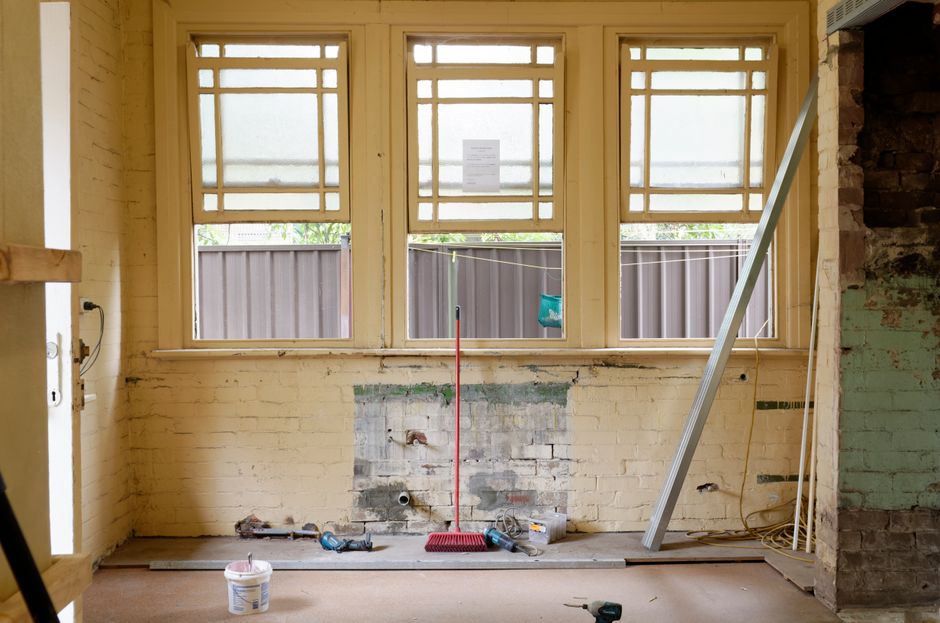
Address any minor repairs that might detract from your home’s value. This includes fixing leaky faucets, patching holes in walls, and replacing broken tiles. In Connecticut, where winter can be harsh, make sure your heating system is in good working order and that there are no signs of water damage or mold. These small fixes can make a significant difference in the appraisal process.
The exterior of your home is just as important as the interior. Boost your home’s curb appeal by mowing the lawn, trimming hedges, and planting fresh flowers. If your home’s paint is peeling, consider a fresh coat. In Connecticut, where neighborhoods often pride themselves on aesthetics, a well-kept exterior can positively influence an appraiser’s perception of your home’s value.
Prepare a folder with important documents that the appraiser may need. This includes recent renovations, property tax information, and neighborhood comps. Be ready to provide information about square footage, any upgrades, and details about your home’s features. This documentation can help the appraiser assess your property more accurately.
Finally, be available during the appraisal to answer any questions the appraiser may have. This can help clarify details about your home that might not be immediately apparent. A friendly, professional demeanor can also create a positive impression, which may influence the outcome.

House hacking is a popular strategy where homeowners rent out a portion of their property to cover mortgage costs and other expenses. For multi-family homes, this means living in one unit while renting out the others. This strategy not only helps you build equity but can also turn your home into a source of income.
Connecticut offers a unique blend of urban and suburban living. Investing in multi-family homes allows you to tap into rental demand in cities like Hartford, New Haven, and Stamford, where young professionals and families seek affordable housing. Additionally, multi-family properties can provide a more stable investment compared to single-family homes, especially in a diverse market like Connecticut.

Financing a multi-family home can be easier than you think. Traditional mortgages are available, and some government-backed loans, like FHA loans, allow you to secure financing with a lower down payment. As a first-time homebuyer, you can purchase a property with up to four units and still qualify for these favorable terms. Additionally, lenders often consider rental income when assessing your application, which can boost your purchasing power.
When searching for multi-family homes in Connecticut, consider factors like location, condition, and potential rental income. Look for properties in desirable neighborhoods, proximity to public transport, and local amenities. Websites like Zillow and Realtor.com can be great resources, but working with a local real estate agent who understands the Connecticut market can be invaluable in finding the right investment.
Once you’ve acquired a multi-family home, effective property management is key. You can manage the property yourself or hire a property management company. Consider using digital tools for rent collection and maintenance requests to streamline operations. Building positive relationships with tenants can also lead to lower turnover rates, ensuring a steady cash flow.
Start small and learn as you go. Be prepared for unexpected challenges and expenses. Networking with other local investors can provide support and insights. Lastly, stay informed about Connecticut’s rental laws to ensure compliance and protect your investment.

An appraisal is a professional assessment of your home’s value, which can significantly impact your selling price and financing options. In Connecticut, where the real estate market can be competitive, a well-prepared home can lead to a higher appraisal value. It’s essential to understand that the appraiser will look at both the interior and exterior of your home, so preparation is key.
Before the appraiser arrives, take the time to clean and declutter your home. A tidy space not only looks more appealing but also allows the appraiser to see the full potential of your home. Focus on high-traffic areas like the living room, kitchen, and bathrooms. Remove any personal items and excess furniture to create an open, inviting atmosphere that can help the appraiser envision the property’s best use.

Address any minor repairs that could detract from your home’s value. This includes fixing leaky faucets, patching holes in walls, and replacing burnt-out light bulbs. In Connecticut, the weather can take a toll on your home, so ensure windows and doors seal properly and check for any signs of water damage. A well-maintained home shows that you care about the property, which can positively influence the appraiser’s opinion.
First impressions count! Boost your home’s curb appeal by maintaining your lawn, trimming bushes, and adding fresh mulch to flower beds. In colder months, clear any snow or ice from walkways. Consider simple upgrades like painting the front door or adding potted plants. A welcoming exterior can set a positive tone for the appraisal and reflect the overall care of your home.
Have relevant documents ready for the appraiser, including a list of recent improvements and repairs, tax assessments, and any warranties for major appliances. In Connecticut, it’s also helpful to provide information on your neighborhood, schools, and local amenities. A well-informed appraiser can better assess the value, taking into account all the positive aspects of both your home and its location.
Preparing your Connecticut home for appraisal can seem daunting, but with these simple steps, you can create a favorable impression and potentially increase your home’s value. Remember, an appraisal is not just a formality; it can influence your financial future if you’re selling or refinancing. Take the time to prepare, and you’ll be setting yourself up for success.