Tag: real estate tips

  • CT Closing Costs Explained for Buyers and Sellers

    CT Closing Costs Explained for Buyers and Sellers

    What Are Closing Costs?

    Closing costs are fees associated with the purchase or sale of a property that are paid at the closing of a real estate transaction. These costs can include a variety of expenses such as loan origination fees, appraisal fees, title insurance, and more. In Connecticut, both buyers and sellers should be aware of these costs to better prepare for the financial aspects of their transaction.

    Typical Closing Costs for Buyers

    For buyers in Connecticut, closing costs typically range from 2% to 5% of the purchase price. Some common costs include:
    – **Loan Origination Fees**: Fees charged by the lender for processing the loan.
    – **Appraisal Fees**: Costs for a professional appraiser to assess the property’s value.
    – **Title Insurance**: Protects against potential disputes over property ownership.
    – **Inspection Fees**: Costs for home inspections to ensure the property is in good condition.
    Understanding these costs helps buyers budget effectively and avoid surprises.

    home buyers

    Typical Closing Costs for Sellers

    Sellers in Connecticut also face closing costs, generally ranging from 5% to 10% of the sale price. Some typical fees include:
    – **Real Estate Agent Commissions**: The most significant cost, usually around 5% to 6% of the sale price.
    – **Title Insurance**: Sellers often cover the owner’s title insurance policy, providing peace of mind to buyers.
    – **Transfer Taxes**: Connecticut imposes a tax on the transfer of property, which sellers are responsible for.
    – **Repairs and Concessions**: Any agreed-upon repairs or concessions from the sale may also factor into closing costs.

    Negotiating Closing Costs

    In many cases, buyers and sellers can negotiate who pays certain closing costs. For instance, sellers might agree to cover some of the buyer’s closing costs to make their offer more attractive. Buyers might also request a seller concession to help with costs. Having a knowledgeable real estate agent can make this process smoother and more beneficial for both parties.

    How to Prepare for Closing Costs

    Preparation is key when it comes to managing closing costs. Here are some tips for both buyers and sellers:
    – **Get a Good Faith Estimate**: Request this from your lender to understand your expected closing costs.
    – **Budget Accordingly**: Set aside funds for both expected and unexpected costs.
    – **Review the Closing Disclosure**: This document outlines all costs and fees associated with the transaction. Review it carefully to ensure accuracy.
    By taking these steps, you can reduce surprises and better manage your finances during the closing process.

    Final Thoughts

    Understanding closing costs is crucial for anyone involved in a real estate transaction in Connecticut. Whether you’re a buyer or a seller, being informed about what to expect can help you navigate the process with confidence. Always consult with a real estate professional to guide you through the details and ensure a smooth closing experience.

    home sellers
  • How to Prep Your CT Home for Appraisal (and Why It Matters)

    How to Prep Your CT Home for Appraisal (and Why It Matters)

    Understanding Home Appraisals

    A home appraisal is an unbiased professional assessment of your property’s value. It’s important for various reasons, such as securing a mortgage, refinancing, or selling your home. In Connecticut, appraisals are often required by lenders to ensure they aren’t lending more than the home is worth. By understanding this process, you can better prepare your home and potentially increase its appraised value.

    Clean and Declutter

    First impressions matter! A clean and decluttered home can make a positive impact on appraisers. Start by removing personal items and excess furniture to make rooms appear larger and more inviting. This is especially important in Connecticut where homes often have historical features that can be overshadowed by clutter. Don’t forget to clean windows, floors, and surfaces to enhance the overall appearance.

    Connecticut real estate

    Make Minor Repairs

    Take the time to fix small issues that could detract from your home’s value. This includes patching holes in walls, fixing leaky faucets, and replacing burned-out light bulbs. In Connecticut, where winters can be harsh, ensure that your heating system is functioning well and any insulation is up to par. These minor repairs can show that you’ve taken good care of your home, which can positively influence the appraiser’s opinion.

    Boost Curb Appeal

    Curb appeal is crucial, especially in Connecticut where picturesque neighborhoods are common. Consider landscaping improvements, such as mowing the lawn, trimming bushes, and planting flowers. A fresh coat of paint on the front door or clean gutters can also significantly enhance your home’s exterior. Remember, appraisers will start their evaluation from the outside, so make sure your home looks its best!

    Document Upgrades and Features

    If you’ve made any upgrades to your home, such as a new roof, renovated kitchen, or energy-efficient windows, have documentation ready to present to the appraiser. In Connecticut, energy-efficient features can be particularly appealing, given the state’s focus on sustainability. Provide receipts, warranties, and before-and-after photos if available. This information can provide valuable insights into your home’s worth and justify a higher appraisal.

    Know Your Neighborhood

    Understanding your neighborhood can help you provide context to the appraiser. Gather information about recent sales of comparable homes in your area, focusing on those that are similar in size, condition, and age. In Connecticut, local market trends can vary significantly, so being informed can give you a better idea of what to expect during the appraisal process. This knowledge not only helps in preparation but can also be useful during negotiations.

    Be Available for Questions

    Finally, be available on the day of the appraisal to answer any questions the appraiser may have. Being approachable and providing additional information can facilitate a smoother process and might even help the appraiser see your home in a more favorable light. Remember, the appraisal process is just one step in your real estate journey, but being prepared can make a significant difference in the outcome.

    preparation tips
  • How to Prep Your CT Home for Appraisal (and Why It Matters)

    How to Prep Your CT Home for Appraisal (and Why It Matters)

    Understanding the Importance of an Appraisal

    When selling your home in Connecticut, an appraisal is a crucial step in the process. This unbiased evaluation determines the fair market value of your property, which can significantly impact your sale price. Home appraisals are often required by lenders before approving a mortgage, making it essential to ensure that your home presents well to appraisers.

    Declutter and Clean

    First impressions matter! Start by decluttering your home. Remove any personal items, excess furniture, and knick-knacks. A clean, spacious environment allows appraisers to see the full potential of your home. Don’t forget to deep clean your home, including windows, floors, and carpets. A clean home reflects care and can positively influence the appraisal.

    home preparation tips

    Make Minor Repairs

    Fixing minor issues can greatly enhance your home’s appeal. Consider repairing leaky faucets, squeaky doors, or chipped paint. These small fixes show that your home has been well-maintained, which can lead appraisers to give a more favorable valuation. Additionally, check for any safety issues, such as loose railings or exposed wiring, and address them before the appraisal.

    Enhance Curb Appeal

    The exterior of your home is the first thing an appraiser will see, so make it count! Mow the lawn, trim hedges, and consider planting colorful flowers. Ensure that your front door is painted and clean, and consider adding outdoor lighting. A well-maintained exterior suggests to the appraiser that the interior is likely just as well cared for.

    Gather Relevant Documents

    Being prepared with the right documentation can streamline the appraisal process. Gather any relevant paperwork, such as your property deed, previous appraisals, and records of recent renovations or repairs. Highlighting improvements made to your home can help justify a higher appraised value, especially if you’ve invested in energy-efficient upgrades or modernized key areas.

    Know Your Neighborhood

    Lastly, familiarize yourself with local real estate trends. Research recent sales of comparable homes in your Connecticut neighborhood to understand the market dynamics. Be ready to provide this information to the appraiser, as it may help them in determining your home’s value. Understanding your neighborhood’s appeal can also help you present your home in the best light.

    real estate appraisal process
  • CT Closing Costs Explained for Buyers and Sellers

    CT Closing Costs Explained for Buyers and Sellers

    What Are Closing Costs?

    Closing costs are the fees and expenses you pay when finalizing a real estate transaction. In Connecticut, these costs can vary widely, but they generally encompass everything from lender fees to title insurance and taxes. It’s crucial for both buyers and sellers to understand these costs as they can significantly impact the overall price of the property.

    Typical Closing Costs for Buyers in Connecticut

    As a buyer in Connecticut, you can expect to pay several closing costs, which typically range from 2% to 5% of the purchase price. Common costs include:

    – **Loan Origination Fees**: Charged by the lender for processing your mortgage.
    – **Appraisal Fees**: Required to determine the property’s market value.
    – **Title Insurance**: Protects against any discrepancies in the property title.
    – **Recording Fees**: Charged by the local government to record your property ownership.
    – **Property Taxes**: Depending on the timing of your purchase, you may need to pay a portion of the annual property taxes at closing.

    real estate transaction

    Typical Closing Costs for Sellers in Connecticut

    Sellers also incur closing costs when selling their home. These usually amount to around 6% of the sale price and can include:

    – **Real Estate Agent Commissions**: Typically the largest expense, usually around 5-6% of the sale price.
    – **Title Insurance**: Commonly paid by the seller to ensure clear title transfer.
    – **Transfer Taxes**: Connecticut charges a transfer tax based on the sale price of the property.
    – **Repairs and Negotiated Credits**: If repairs are necessary, sellers may agree to cover costs at closing.

    Understanding these costs upfront can help sellers set realistic expectations and pricing.

    How to Prepare for Closing Costs

    Preparing for closing costs involves budgeting and understanding what to expect. Buyers should ask their lender for a Loan Estimate, which outlines the expected costs associated with their mortgage. Similarly, sellers should consult with their real estate agent to get a clear picture of potential closing costs. Setting aside a separate fund to cover these expenses can also be beneficial to avoid surprises at closing.

    Negotiating Closing Costs

    Both buyers and sellers can negotiate certain closing costs. Buyers may request that sellers cover some of their closing costs as part of the purchase agreement, especially in a buyer’s market. Sellers, on the other hand, can negotiate with their agents regarding commission fees or ask buyers to cover specific fees. Open communication and a good understanding of the market conditions can help facilitate these negotiations.

    Conclusion: Be Informed and Prepared

    In summary, understanding closing costs in Connecticut is essential for both buyers and sellers. By being informed about what to expect and preparing accordingly, you can navigate the closing process more smoothly. Whether you’re buying your first home or selling a long-time residence, knowing these costs will empower you to make better financial decisions.

    home buying selling costs
  • How to Prep Your CT Home for Appraisal (and Why It Matters)

    How to Prep Your CT Home for Appraisal (and Why It Matters)

    Understanding the Importance of Appraisals

    An appraisal is a crucial part of the home selling and buying process. In Connecticut, understanding how appraisals work can help you position your home for a successful sale. An accurate appraisal provides a fair market value, which is essential for buyers and sellers alike. If you’re selling, a higher appraisal can mean more money in your pocket, while buyers need to ensure they’re not overpaying.

    Clean and Declutter Your Space

    First impressions matter! Before the appraiser arrives, take the time to clean and declutter your home. This doesn’t just make your home look better; it also allows the appraiser to see the full potential of your space. Pay special attention to common areas, kitchens, and bathrooms. In Connecticut, where homes can be older, showcasing a clean environment can highlight the care you’ve taken in maintaining the property.

    home preparation tips

    Make Necessary Repairs

    Address any minor repairs that could detract from your home’s value. This might include fixing leaky faucets, patching holes in walls, or replacing broken tiles. In CT, where winter weather can be harsh, ensure your heating system is working effectively. These small fixes can help avoid negative comments from the appraiser and ensure your home presents its best self.

    Highlight Upgrades and Improvements

    If you’ve made upgrades—like a new roof, modern kitchen, or energy-efficient windows—make sure to highlight these during the appraisal. Prepare a list of improvements along with their dates and costs. In Connecticut, energy efficiency is particularly valued, so be sure to mention any green upgrades you’ve made.

    Provide Access to Important Documents

    Make it easy for the appraiser to see your home’s value by having documentation ready. This includes property tax records, previous appraisals, and receipts for renovations. In Connecticut, appraisers often compare your home to recent sales in the area, so having this information can support your home’s value and ensure a smooth appraisal process.

    Be Present, but Not Overbearing

    It’s important to be available for the appraiser to ask questions, but try not to hover. Let them do their job while being accessible for any clarifications or additional information they may need. A friendly yet professional demeanor can set a positive tone for the appraisal.

    real estate appraisal advice
  • How to Prep Your CT Home for Appraisal (and Why It Matters)

    How to Prep Your CT Home for Appraisal (and Why It Matters)

    Understanding the Importance of Home Appraisals

    A home appraisal is an unbiased evaluation of your property’s value, typically conducted by a licensed appraiser. In Connecticut, appraisals are essential when selling your home, refinancing, or obtaining a mortgage. A well-prepared home can lead to a favorable appraisal, which means you could sell at a higher price or secure better financing terms.

    Clean and Declutter Your Space

    First impressions matter! Before the appraiser arrives, ensure your home is clean and clutter-free. This means tidying up common areas, removing personal items, and organizing spaces to make your home feel larger. In Connecticut, where homes often have character and charm, highlighting these features can help create a positive impression.

    home preparation

    Make Minor Repairs

    Addressing minor repairs can significantly impact your appraisal. Fix squeaky doors, patch up holes in the walls, and ensure all light fixtures are working. Pay attention to the exterior as well—mow the lawn, trim bushes, and consider a fresh coat of paint if needed. These small efforts can enhance your home’s perceived value.

    Highlight Upgrades and Unique Features

    If you’ve made any upgrades or renovations, be sure to highlight them during the appraisal. In Connecticut, features such as energy-efficient windows, a new roof, or modern kitchen appliances can add significant value. Prepare a list of these improvements to share with the appraiser.

    Provide Relevant Documentation

    Having documentation ready can assist the appraiser in understanding your home’s value. This includes previous appraisals, tax assessments, and any permits for renovations. In Connecticut, local market data can also be helpful, so consider providing recent sales data for comparable homes in your neighborhood.

    Know the Market Trends

    Understanding the current real estate market in Connecticut can give you an edge. Research recent sales in your area to get a feel for what buyers are willing to pay. This knowledge can help you set realistic expectations for your appraisal and home sale.

    Final Thoughts

    Preparing your home for an appraisal can seem daunting, but it’s an essential step in the selling process. By cleaning, making repairs, highlighting upgrades, and providing documentation, you can help ensure your home is appraised at its true value. Remember, a positive appraisal can lead to a successful sale, so take the time to prepare!

    property value increase
  • How to Prep Your CT Home for Appraisal (and Why It Matters)

    How to Prep Your CT Home for Appraisal (and Why It Matters)

    Understanding the Importance of a Home Appraisal

    A home appraisal is a professional assessment of your property’s value, typically conducted when you are buying or selling a home, refinancing, or accessing home equity. In Connecticut, where the housing market can vary significantly from town to town, it’s essential to understand how appraisers determine value. They consider factors such as location, condition, and recent sales of similar homes in the area.

    Declutter and Clean Your Space

    First impressions matter, especially during an appraisal. Start by decluttering your home. Remove personal items, excess furniture, and anything that makes the space feel cramped. A clean, organized home allows appraisers to see the full potential of each room. Don’t forget to clean windows, floors, and surfaces to give your home a fresh look.

    property preparation

    Make Minor Repairs and Improvements

    Take care of any minor repairs that could detract from your home’s value. This includes fixing leaky faucets, patching holes in walls, and ensuring all light fixtures work properly. Consider making small improvements that can have a big impact, such as a fresh coat of paint in neutral colors or updating outdated hardware. These changes can enhance your home’s appeal and help justify a higher appraisal value.

    Highlight Energy Efficiency and Updates

    Connecticut buyers are increasingly interested in energy efficiency. If you’ve made updates such as new windows, a high-efficiency HVAC system, or insulation, be sure to highlight these during the appraisal. Provide any documentation that shows the installation date and efficiency ratings. These features can significantly increase your property’s desirability and value.

    Prepare Your Neighborhood Comparables

    Research recent sales of similar homes in your neighborhood to understand the appraisal landscape. This is particularly important in Connecticut, where property values can fluctuate based on local amenities and school districts. If you find comparable homes that have sold for higher prices, be ready to present this information to the appraiser. It can help support your desired appraisal value.

    Provide a List of Improvements

    Before the appraisal, compile a list of improvements and upgrades you’ve made to your home. Include dates of renovations, costs, and any warranties or guarantees. Providing this list to the appraiser can help them understand the value you’ve added to the property and ensure they account for it during their assessment.

    Conclusion: Why Appraisal Prep Matters

    Preparing your home for an appraisal is a crucial step in the selling process. A well-prepared home can lead to a favorable appraisal outcome, ultimately impacting your sale price. By taking the time to enhance your property’s appeal and value, you can set yourself up for success in the Connecticut real estate market.

  • From Renting to Owning in CT: A 90-Day Roadmap

    From Renting to Owning in CT: A 90-Day Roadmap

    Understanding the Transition

    Making the leap from renting to owning a home in Connecticut is a significant decision. It’s essential to understand what this transition entails. Homeownership can provide stability and the freedom to personalize your living space, but it also comes with responsibilities. This section will outline the primary differences between renting and owning, helping you clarify your motivations.

    Day 1-30: Financial Preparation

    The first month is all about assessing your financial situation. Start by checking your credit score, as it will affect your mortgage options. Create a budget that includes all current expenses and potential homeownership costs like property taxes, insurance, and maintenance. Consider meeting with a financial advisor to help you understand how much you can afford. Also, begin saving for a down payment—aim for at least 3% to 20% of the home’s purchase price.

    Connecticut real estate

    Day 31-60: Research and Planning

    During the second month, focus on researching neighborhoods in Connecticut that fit your lifestyle and budget. Use online resources and visit open houses to get a feel for the market. Make a list of must-haves and deal-breakers for your new home. Additionally, consider getting pre-approved for a mortgage. This process will give you a clear idea of your budget and make you a more attractive buyer when you find the right property.

    Day 61-90: House Hunting and Closing

    In the final month, it’s time to start house hunting in earnest. Work with a real estate agent who knows the Connecticut market well. They can help guide you through available listings, set up viewings, and negotiate offers. Once you find your dream home, you’ll make an offer. After acceptance, you’ll enter the closing process, which includes inspections, appraisals, and finalizing your mortgage. This phase may seem daunting, but with the right support, it can be a smooth experience.

    Final Steps: Moving In and Beyond

    Once you close on your new home, it’s time to move in! Take some time to settle in and make the space your own. Don’t forget to budget for any immediate repairs or renovations. Lastly, stay connected with your community and local resources, as they can provide support and enhance your new living experience. Remember, the journey from renting to owning is an exciting time filled with new opportunities.

    first-time buyers
  • Sell Faster in New Haven County: 7 Fixes That Actually Pay Off

    Sell Faster in New Haven County: 7 Fixes That Actually Pay Off

    1. Curb Appeal Matters

    First impressions count, especially in real estate. Sprucing up your landscaping, painting your front door, and ensuring the exterior is well-kept can make a significant difference. In New Haven County, where neighborhoods are often closely knit, a charming exterior can attract buyers before they even step inside.

    2. Fresh Paint Goes a Long Way

    A fresh coat of paint can transform your space and is one of the most cost-effective renovations you can make. Opt for neutral colors that appeal to a broad audience. In Connecticut, colors like soft grays and warm beiges can create a welcoming atmosphere while allowing potential buyers to envision their own style.

    home improvements

    3. Update Fixtures and Hardware

    Replacing old light fixtures, cabinet handles, and faucets can modernize your home without breaking the bank. In many New Haven County homes, outdated hardware can detract from their charm. Consider sleek, contemporary designs that fit well with the region’s aesthetic.

    4. Stage for Success

    Staging your home can help buyers visualize themselves in the space. Consider hiring a professional stager or utilizing your own furniture strategically to highlight each room’s potential. In a competitive market like New Haven County, well-staged homes often sell faster and for higher prices.

    5. Don’t Overlook the Kitchen

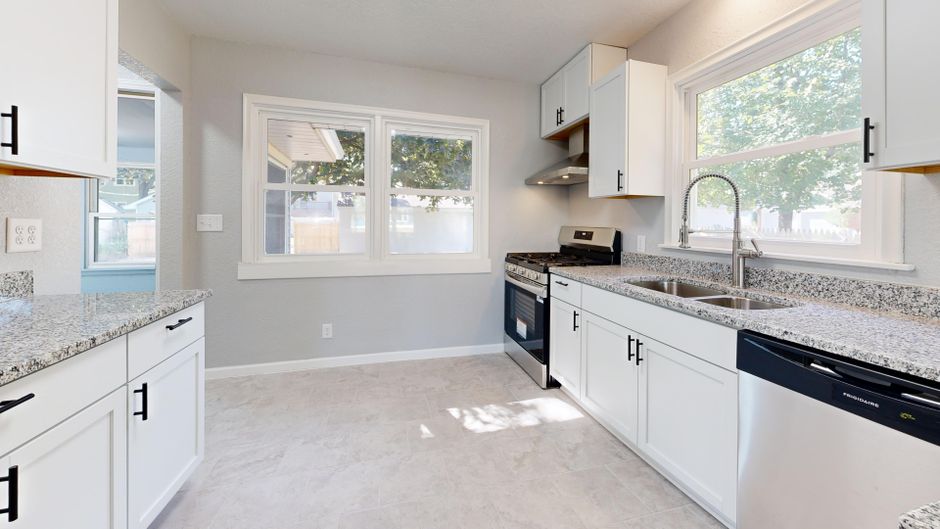
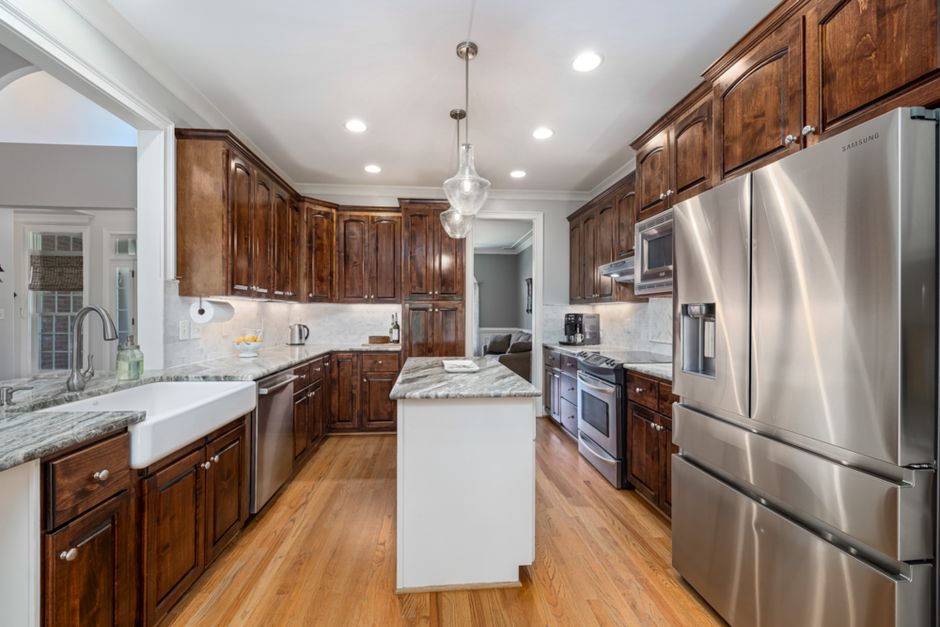
    The kitchen is often seen as the heart of the home. Simple updates like new countertops, modern appliances, or even a fresh backsplash can make a huge difference. In Connecticut, a well-appointed kitchen can be a major selling point, making potential buyers feel at home instantly.

    6. Bathroom Updates That Impress

    Bathrooms are another crucial area where small updates can yield big returns. Consider replacing old fixtures, re-grouting tile, or even adding a new mirror. A clean and updated bathroom can significantly influence a buyer’s decision, especially in family-oriented New Haven County.

    7. Provide a Home Warranty

    Offering a home warranty can put buyers at ease, knowing that they are covered for any unexpected repairs after purchase. This added assurance can make your listing more attractive in a competitive market like New Haven County, encouraging buyers to make an offer quickly.

    selling a house
  • How to Prep Your CT Home for Appraisal (and Why It Matters)

    How to Prep Your CT Home for Appraisal (and Why It Matters)

    Understanding the Importance of Home Appraisals

    Home appraisals are a critical part of the real estate process, especially in Connecticut where property values can vary significantly between towns. An appraisal determines the market value of your home, which impacts your sale price, mortgage approval, and negotiation leverage. Understanding this can help you appreciate the need to prep your home properly.

    Clean and Declutter Your Space

    First impressions matter! A clean and decluttered home not only makes your space look larger but also allows the appraiser to see its full potential. Start by removing unnecessary items, organizing your belongings, and giving your home a thorough clean. This simple step can greatly influence the appraiser’s perspective.

    Connecticut real estate

    Make Necessary Repairs

    Before the appraisal, take the time to address any minor repairs. Fix leaky faucets, patch up holes in walls, and ensure all lights work. In Connecticut, where homes can face harsh winters, make sure your heating system is functioning well. These small fixes can demonstrate to the appraiser that your home is well-maintained.

    Enhance Curb Appeal

    The exterior of your home is the first thing an appraiser will see, so make it count! Simple enhancements such as mowing the lawn, trimming bushes, and adding fresh flowers can boost your home’s curb appeal. If you have outdoor space, consider cleaning up patios or decks, which can add value to your property in the eyes of the appraiser.

    Compile Relevant Documents

    Gather important documents that can assist the appraiser in understanding your home’s value. This includes a list of recent upgrades, repair receipts, and any neighborhood comparables you may have. Providing this information can help the appraiser form a comprehensive view of your property’s worth.

    Know Your Neighborhood

    Understanding your local real estate market is essential. Research recent sales of similar homes in your area to gauge your home’s value. In Connecticut, factors like school districts, local amenities, and community features can significantly influence property values. Being informed allows you to discuss any relevant points with the appraiser.

    preparing home