Tag: Home Selling

  • CT Closing Costs Explained for Buyers and Sellers

    CT Closing Costs Explained for Buyers and Sellers

    What Are Closing Costs?

    Closing costs are fees associated with the purchase or sale of a property that are paid at the closing of a real estate transaction. These costs can include a variety of expenses such as loan origination fees, appraisal fees, title insurance, and more. In Connecticut, both buyers and sellers should be aware of these costs to better prepare for the financial aspects of their transaction.

    Typical Closing Costs for Buyers

    For buyers in Connecticut, closing costs typically range from 2% to 5% of the purchase price. Some common costs include:
    – **Loan Origination Fees**: Fees charged by the lender for processing the loan.
    – **Appraisal Fees**: Costs for a professional appraiser to assess the property’s value.
    – **Title Insurance**: Protects against potential disputes over property ownership.
    – **Inspection Fees**: Costs for home inspections to ensure the property is in good condition.
    Understanding these costs helps buyers budget effectively and avoid surprises.

    home buyers

    Typical Closing Costs for Sellers

    Sellers in Connecticut also face closing costs, generally ranging from 5% to 10% of the sale price. Some typical fees include:
    – **Real Estate Agent Commissions**: The most significant cost, usually around 5% to 6% of the sale price.
    – **Title Insurance**: Sellers often cover the owner’s title insurance policy, providing peace of mind to buyers.
    – **Transfer Taxes**: Connecticut imposes a tax on the transfer of property, which sellers are responsible for.
    – **Repairs and Concessions**: Any agreed-upon repairs or concessions from the sale may also factor into closing costs.

    Negotiating Closing Costs

    In many cases, buyers and sellers can negotiate who pays certain closing costs. For instance, sellers might agree to cover some of the buyer’s closing costs to make their offer more attractive. Buyers might also request a seller concession to help with costs. Having a knowledgeable real estate agent can make this process smoother and more beneficial for both parties.

    How to Prepare for Closing Costs

    Preparation is key when it comes to managing closing costs. Here are some tips for both buyers and sellers:
    – **Get a Good Faith Estimate**: Request this from your lender to understand your expected closing costs.
    – **Budget Accordingly**: Set aside funds for both expected and unexpected costs.
    – **Review the Closing Disclosure**: This document outlines all costs and fees associated with the transaction. Review it carefully to ensure accuracy.
    By taking these steps, you can reduce surprises and better manage your finances during the closing process.

    Final Thoughts

    Understanding closing costs is crucial for anyone involved in a real estate transaction in Connecticut. Whether you’re a buyer or a seller, being informed about what to expect can help you navigate the process with confidence. Always consult with a real estate professional to guide you through the details and ensure a smooth closing experience.

    home sellers
  • How to Prep Your CT Home for Appraisal (and Why It Matters)

    How to Prep Your CT Home for Appraisal (and Why It Matters)

    Understanding the Importance of an Appraisal

    When selling your home in Connecticut, an appraisal is a crucial step in the process. This unbiased evaluation determines the fair market value of your property, which can significantly impact your sale price. Home appraisals are often required by lenders before approving a mortgage, making it essential to ensure that your home presents well to appraisers.

    Declutter and Clean

    First impressions matter! Start by decluttering your home. Remove any personal items, excess furniture, and knick-knacks. A clean, spacious environment allows appraisers to see the full potential of your home. Don’t forget to deep clean your home, including windows, floors, and carpets. A clean home reflects care and can positively influence the appraisal.

    home preparation tips

    Make Minor Repairs

    Fixing minor issues can greatly enhance your home’s appeal. Consider repairing leaky faucets, squeaky doors, or chipped paint. These small fixes show that your home has been well-maintained, which can lead appraisers to give a more favorable valuation. Additionally, check for any safety issues, such as loose railings or exposed wiring, and address them before the appraisal.

    Enhance Curb Appeal

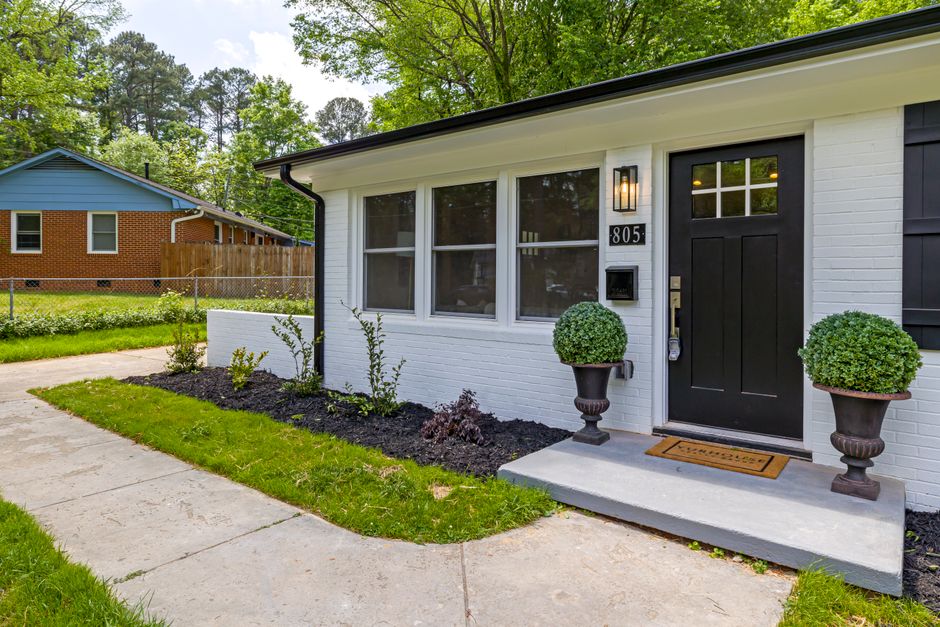
    The exterior of your home is the first thing an appraiser will see, so make it count! Mow the lawn, trim hedges, and consider planting colorful flowers. Ensure that your front door is painted and clean, and consider adding outdoor lighting. A well-maintained exterior suggests to the appraiser that the interior is likely just as well cared for.

    Gather Relevant Documents

    Being prepared with the right documentation can streamline the appraisal process. Gather any relevant paperwork, such as your property deed, previous appraisals, and records of recent renovations or repairs. Highlighting improvements made to your home can help justify a higher appraised value, especially if you’ve invested in energy-efficient upgrades or modernized key areas.

    Know Your Neighborhood

    Lastly, familiarize yourself with local real estate trends. Research recent sales of comparable homes in your Connecticut neighborhood to understand the market dynamics. Be ready to provide this information to the appraiser, as it may help them in determining your home’s value. Understanding your neighborhood’s appeal can also help you present your home in the best light.

    real estate appraisal process
  • CT Closing Costs Explained for Buyers and Sellers

    CT Closing Costs Explained for Buyers and Sellers

    What Are Closing Costs?

    Closing costs are the fees and expenses you pay when finalizing a real estate transaction. In Connecticut, these costs can vary widely, but they generally encompass everything from lender fees to title insurance and taxes. It’s crucial for both buyers and sellers to understand these costs as they can significantly impact the overall price of the property.

    Typical Closing Costs for Buyers in Connecticut

    As a buyer in Connecticut, you can expect to pay several closing costs, which typically range from 2% to 5% of the purchase price. Common costs include:

    – **Loan Origination Fees**: Charged by the lender for processing your mortgage.
    – **Appraisal Fees**: Required to determine the property’s market value.
    – **Title Insurance**: Protects against any discrepancies in the property title.
    – **Recording Fees**: Charged by the local government to record your property ownership.
    – **Property Taxes**: Depending on the timing of your purchase, you may need to pay a portion of the annual property taxes at closing.

    real estate transaction

    Typical Closing Costs for Sellers in Connecticut

    Sellers also incur closing costs when selling their home. These usually amount to around 6% of the sale price and can include:

    – **Real Estate Agent Commissions**: Typically the largest expense, usually around 5-6% of the sale price.
    – **Title Insurance**: Commonly paid by the seller to ensure clear title transfer.
    – **Transfer Taxes**: Connecticut charges a transfer tax based on the sale price of the property.
    – **Repairs and Negotiated Credits**: If repairs are necessary, sellers may agree to cover costs at closing.

    Understanding these costs upfront can help sellers set realistic expectations and pricing.

    How to Prepare for Closing Costs

    Preparing for closing costs involves budgeting and understanding what to expect. Buyers should ask their lender for a Loan Estimate, which outlines the expected costs associated with their mortgage. Similarly, sellers should consult with their real estate agent to get a clear picture of potential closing costs. Setting aside a separate fund to cover these expenses can also be beneficial to avoid surprises at closing.

    Negotiating Closing Costs

    Both buyers and sellers can negotiate certain closing costs. Buyers may request that sellers cover some of their closing costs as part of the purchase agreement, especially in a buyer’s market. Sellers, on the other hand, can negotiate with their agents regarding commission fees or ask buyers to cover specific fees. Open communication and a good understanding of the market conditions can help facilitate these negotiations.

    Conclusion: Be Informed and Prepared

    In summary, understanding closing costs in Connecticut is essential for both buyers and sellers. By being informed about what to expect and preparing accordingly, you can navigate the closing process more smoothly. Whether you’re buying your first home or selling a long-time residence, knowing these costs will empower you to make better financial decisions.

    home buying selling costs
  • CT Closing Costs Explained for Buyers and Sellers

    CT Closing Costs Explained for Buyers and Sellers

    What Are Closing Costs?

    Closing costs are the fees and expenses incurred when finalizing a real estate transaction. These costs can vary significantly depending on whether you are a buyer or a seller, and understanding them is crucial for a smooth closing process. In Connecticut, closing costs typically range from 2% to 5% of the purchase price of the home.

    Closing Costs for Buyers

    As a buyer in Connecticut, you can expect to pay a variety of closing costs. These may include loan origination fees, appraisal fees, title insurance, and recording fees. Additionally, buyers should budget for property taxes and homeowners insurance, which can also be collected at closing. It’s important to review your Loan Estimate document from your lender to understand all anticipated costs.

    Connecticut real estate

    Closing Costs for Sellers

    Sellers also face closing costs, which can differ from those of buyers. Common expenses include real estate agent commissions, title insurance, and any outstanding property taxes. Sellers may also be responsible for repairs or concessions agreed upon in the sale contract. Knowing these costs ahead of time can help sellers price their homes more accurately and avoid surprises at closing.

    How to Estimate Your Closing Costs

    To get a clearer picture of your closing costs, both buyers and sellers can use online calculators or consult with their real estate agents. These tools can provide an estimate based on the specific details of the transaction, including the home’s sale price and location. In Connecticut, it’s recommended to set aside an additional 1% of the purchase price for miscellaneous closing costs that may arise.

    Negotiating Closing Costs

    In many cases, closing costs can be negotiated between buyers and sellers. For instance, buyers may request that sellers cover some of their closing costs in exchange for a higher purchase price. Conversely, sellers may offer to pay a portion of the buyer’s costs to make their home more attractive. Open communication and negotiation can lead to a more favorable outcome for both parties.

    Final Thoughts on Closing Costs

    Closing costs are an essential aspect of any real estate transaction in Connecticut. By understanding what to expect and preparing accordingly, both buyers and sellers can ensure a more efficient closing process. Always consult with your real estate agent or a financial advisor to clarify any uncertainties and make informed decisions.

    home buying and selling
  • CT Closing Costs Explained for Buyers and Sellers

    CT Closing Costs Explained for Buyers and Sellers

    What Are Closing Costs?

    Closing costs are the fees and expenses you incur when finalizing a real estate transaction. These costs can vary significantly depending on whether you’re buying or selling a property. In Connecticut, buyers and sellers should expect to pay a range of fees at closing, generally totaling between 2% to 5% of the sale price.

    Closing Costs for Buyers

    As a buyer in Connecticut, your closing costs typically include loan origination fees, appraisal fees, title insurance, and attorney fees. You may also need to pay for inspections and property taxes. On average, buyers can expect to pay around 3% to 5% of the purchase price in closing costs. It’s essential to budget for these expenses to avoid any last-minute surprises.

    real estate transaction

    Closing Costs for Sellers

    Sellers in Connecticut also face various closing costs. These may include agent commissions, title insurance, and other fees associated with transferring ownership. Sellers usually pay a higher percentage in closing costs, often around 5% to 7% of the home’s sale price. Understanding these costs upfront can help you set a realistic selling price and prepare for your net proceeds.

    Negotiating Closing Costs

    One of the unique aspects of real estate transactions in Connecticut is the potential for negotiating closing costs. Buyers may ask sellers to cover some of their closing costs as part of the offer. Conversely, sellers can also negotiate the costs they are willing to pay on behalf of the buyer. Open communication and negotiation can lead to a win-win situation for both parties.

    How to Prepare for Closing Costs

    Preparation is key when it comes to managing closing costs. For buyers, it’s wise to get a Good Faith Estimate (GFE) from your lender to understand expected fees. Sellers should consult with their real estate agent to get a breakdown of their anticipated closing costs. Additionally, setting aside extra funds beyond your down payment can help ensure you’re ready for any unexpected expenses that may arise.

    Conclusion

    Understanding and preparing for closing costs is crucial for both buyers and sellers in Connecticut. By knowing what to expect and planning ahead, you can navigate the closing process more smoothly. Whether you’re entering the market as a buyer or a seller, being informed will help you make sound financial decisions and lay the groundwork for a successful real estate transaction.

  • Sell Faster in New Haven County: 7 Fixes That Actually Pay Off

    Sell Faster in New Haven County: 7 Fixes That Actually Pay Off

    Enhance Curb Appeal

    First impressions matter! Boosting your home’s curb appeal can be a game-changer. Simple fixes like mowing the lawn, trimming hedges, and adding colorful flowers can make your property more inviting. Consider a fresh coat of paint on the front door to add charm. In New Haven County, where many homes have beautiful landscaping, ensure yours stands out by maintaining a clean and attractive exterior.

    Declutter and Depersonalize

    Buyers want to envision themselves in your space, but personal items can be distracting. Take the time to declutter your home, removing excess furniture and personal photos. This not only makes your home look larger but also allows potential buyers to imagine their own belongings in the space. In a competitive market like New Haven County, this step can significantly enhance your property’s appeal.

    curb appeal

    Make Strategic Upgrades

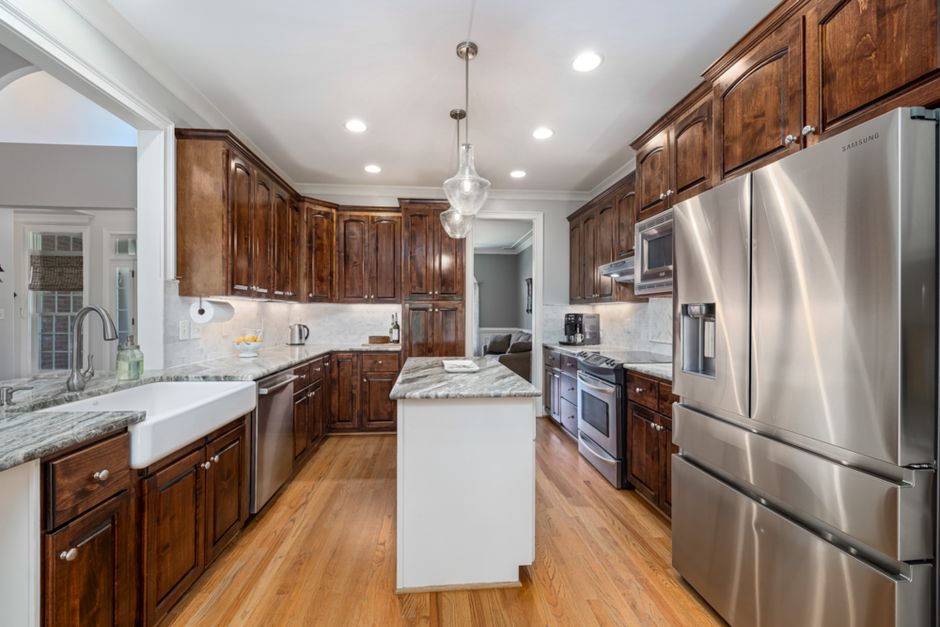
    Investing in strategic upgrades can lead to a higher return on investment. Focus on areas that buyers prioritize, such as the kitchen and bathrooms. Consider replacing outdated fixtures, adding a modern backsplash, or upgrading appliances. In New Haven County, where homebuyers often seek updated homes, these improvements can help your property stand out and sell faster.

    Fresh Paint and Neutral Colors

    A fresh coat of paint can work wonders for your home’s interior. Opt for neutral colors that appeal to a broad range of buyers. Light shades can make rooms feel larger and more inviting. This is especially important in areas like New Haven County, where buyers appreciate well-maintained and updated homes. A paint job is a relatively low-cost investment that can yield significant returns.

    Highlight Energy Efficiency

    Energy efficiency is increasingly important to buyers, especially in Connecticut’s fluctuating climate. If your home has energy-efficient appliances, windows, or insulation, be sure to highlight these features in your listing. Consider a home energy audit to identify potential upgrades. In New Haven County, where eco-friendly living is valued, showcasing your home’s energy-efficient aspects can attract more buyers.

    Stage Your Home

    Home staging can make a significant difference in how quickly your home sells. Consider hiring a professional stager or using your own furniture to create inviting spaces. Arrange furniture to maximize flow and highlight your home’s best features. In the New Haven County market, where buyers often have many options, a beautifully staged home can create an emotional connection and encourage offers.

    Set the Right Price

    Lastly, pricing your home correctly is crucial. Research comparable homes in your area and consider working with a local real estate agent who understands the New Haven County market. A well-priced home can generate more interest and ultimately lead to a quicker sale. Avoid overpricing, as this can deter potential buyers and prolong your home’s time on the market.

    home staging
  • How to Prep Your CT Home for Appraisal (and Why It Matters)

    How to Prep Your CT Home for Appraisal (and Why It Matters)

    Understanding the Importance of Home Appraisals

    A home appraisal is an unbiased evaluation of your property’s value, typically conducted by a licensed appraiser. In Connecticut, appraisals are essential when selling your home, refinancing, or obtaining a mortgage. A well-prepared home can lead to a favorable appraisal, which means you could sell at a higher price or secure better financing terms.

    Clean and Declutter Your Space

    First impressions matter! Before the appraiser arrives, ensure your home is clean and clutter-free. This means tidying up common areas, removing personal items, and organizing spaces to make your home feel larger. In Connecticut, where homes often have character and charm, highlighting these features can help create a positive impression.

    home preparation

    Make Minor Repairs

    Addressing minor repairs can significantly impact your appraisal. Fix squeaky doors, patch up holes in the walls, and ensure all light fixtures are working. Pay attention to the exterior as well—mow the lawn, trim bushes, and consider a fresh coat of paint if needed. These small efforts can enhance your home’s perceived value.

    Highlight Upgrades and Unique Features

    If you’ve made any upgrades or renovations, be sure to highlight them during the appraisal. In Connecticut, features such as energy-efficient windows, a new roof, or modern kitchen appliances can add significant value. Prepare a list of these improvements to share with the appraiser.

    Provide Relevant Documentation

    Having documentation ready can assist the appraiser in understanding your home’s value. This includes previous appraisals, tax assessments, and any permits for renovations. In Connecticut, local market data can also be helpful, so consider providing recent sales data for comparable homes in your neighborhood.

    Know the Market Trends

    Understanding the current real estate market in Connecticut can give you an edge. Research recent sales in your area to get a feel for what buyers are willing to pay. This knowledge can help you set realistic expectations for your appraisal and home sale.

    Final Thoughts

    Preparing your home for an appraisal can seem daunting, but it’s an essential step in the selling process. By cleaning, making repairs, highlighting upgrades, and providing documentation, you can help ensure your home is appraised at its true value. Remember, a positive appraisal can lead to a successful sale, so take the time to prepare!

    property value increase
  • Sell Faster in New Haven County: 7 Fixes That Actually Pay Off

    Sell Faster in New Haven County: 7 Fixes That Actually Pay Off

    1. Boost Your Curb Appeal

    First impressions matter, especially in real estate. Start by enhancing your home’s curb appeal. Simple fixes like mowing the lawn, trimming hedges, and adding colorful flowers can make a significant difference. In New Haven County, where many homes have beautiful landscaping, a well-kept exterior can attract buyers quickly.

    2. Freshen Up with a Coat of Paint

    A fresh coat of paint can do wonders for your home. Opt for neutral colors that appeal to a broad audience. This is particularly effective in a diverse market like New Haven County, where buyers may have varying tastes. A clean, updated look can help potential buyers envision themselves in your space.

    curb appeal

    3. Update Fixtures and Hardware

    Small updates can lead to big returns. Consider replacing outdated light fixtures, cabinet handles, and faucets. Modern touches can elevate the look of your home without breaking the bank. In a competitive market, these details can set your home apart and make it more appealing to buyers.

    4. Declutter and Depersonalize

    When potential buyers walk through your home, they should be able to envision their own lives there. Decluttering and depersonalizing your space can help achieve this goal. Remove personal photos, excess furniture, and knick-knacks. This will also make your home look more spacious, which is a key selling point in New Haven County.

    5. Make Necessary Repairs

    Address any minor repairs before listing your home. Fix leaky faucets, patch holes in walls, and ensure all appliances are in working order. Buyers are often deterred by the thought of having to make repairs themselves, so taking care of these issues upfront can help your home sell faster.

    6. Enhance Outdoor Living Spaces

    Outdoor spaces are increasingly important to buyers. In New Haven County, where many families enjoy outdoor activities, consider sprucing up your patio, deck, or backyard. Adding furniture, creating a garden, or simply cleaning up can make these areas more inviting and increase your property’s appeal.

    7. Stage Your Home

    Staging your home can help it sell faster and often for a higher price. This means arranging furniture and decor in a way that highlights your home’s best features. Consider hiring a professional stager familiar with the New Haven County market to ensure your home stands out in listings and during showings.

    home staging
  • How to Prep Your CT Home for Appraisal (and Why It Matters)

    How to Prep Your CT Home for Appraisal (and Why It Matters)

    Understanding the Importance of a Home Appraisal

    A home appraisal is a professional assessment of your property’s value, typically conducted when you are buying or selling a home, refinancing, or accessing home equity. In Connecticut, where the housing market can vary significantly from town to town, it’s essential to understand how appraisers determine value. They consider factors such as location, condition, and recent sales of similar homes in the area.

    Declutter and Clean Your Space

    First impressions matter, especially during an appraisal. Start by decluttering your home. Remove personal items, excess furniture, and anything that makes the space feel cramped. A clean, organized home allows appraisers to see the full potential of each room. Don’t forget to clean windows, floors, and surfaces to give your home a fresh look.

    property preparation

    Make Minor Repairs and Improvements

    Take care of any minor repairs that could detract from your home’s value. This includes fixing leaky faucets, patching holes in walls, and ensuring all light fixtures work properly. Consider making small improvements that can have a big impact, such as a fresh coat of paint in neutral colors or updating outdated hardware. These changes can enhance your home’s appeal and help justify a higher appraisal value.

    Highlight Energy Efficiency and Updates

    Connecticut buyers are increasingly interested in energy efficiency. If you’ve made updates such as new windows, a high-efficiency HVAC system, or insulation, be sure to highlight these during the appraisal. Provide any documentation that shows the installation date and efficiency ratings. These features can significantly increase your property’s desirability and value.

    Prepare Your Neighborhood Comparables

    Research recent sales of similar homes in your neighborhood to understand the appraisal landscape. This is particularly important in Connecticut, where property values can fluctuate based on local amenities and school districts. If you find comparable homes that have sold for higher prices, be ready to present this information to the appraiser. It can help support your desired appraisal value.

    Provide a List of Improvements

    Before the appraisal, compile a list of improvements and upgrades you’ve made to your home. Include dates of renovations, costs, and any warranties or guarantees. Providing this list to the appraiser can help them understand the value you’ve added to the property and ensure they account for it during their assessment.

    Conclusion: Why Appraisal Prep Matters

    Preparing your home for an appraisal is a crucial step in the selling process. A well-prepared home can lead to a favorable appraisal outcome, ultimately impacting your sale price. By taking the time to enhance your property’s appeal and value, you can set yourself up for success in the Connecticut real estate market.

  • Sell Faster in New Haven County: 7 Fixes That Actually Pay Off

    Sell Faster in New Haven County: 7 Fixes That Actually Pay Off

    1. Boost Curb Appeal

    First impressions matter, especially in real estate. Enhancing your home’s curb appeal can significantly impact buyer interest. Consider simple fixes like landscaping, painting the front door, or power washing the exterior. In New Haven County, homes with well-kept yards often attract more buyers.

    2. Freshen Up with a Coat of Paint

    A fresh coat of neutral paint can do wonders for your home’s interior. It brightens spaces and makes them feel more inviting. Opt for warm neutrals that appeal to a wide range of buyers. Remember, colors like soft grays, beiges, and whites are popular in the New Haven market, creating a blank canvas for potential buyers.

    home improvements

    3. Update Kitchen Fixtures

    The kitchen is often the heart of the home, and minor updates can lead to major returns. Consider replacing outdated fixtures, cabinet hardware, or even adding a stylish backsplash. These changes can make your kitchen feel modern without a full renovation, appealing to buyers looking for move-in ready homes.

    4. Enhance Lighting

    Good lighting can transform a space. Replace old light fixtures with modern, energy-efficient options. Make sure to maximize natural light by pulling back curtains and cleaning windows. Bright spaces feel more welcoming and can make rooms appear larger, a key selling point in New Haven County.

    5. Declutter and Depersonalize

    Buyers want to envision themselves in your space. Decluttering and depersonalizing are essential steps before showings. Remove excess furniture and personal items. A tidy, organized home allows buyers to focus on the property rather than your belongings, increasing the chances of a quick sale.

    6. Invest in Minor Bathroom Renovations

    Bathrooms are critical areas for buyers. Simple upgrades like new faucets, a fresh shower curtain, or updated lighting can make a significant difference. If your budget allows, consider re-grouting tiles or adding a new mirror. In New Haven County, homes with updated bathrooms often sell faster.

    7. Stage Your Home

    Professional staging can highlight your home’s strengths and disguise its weaknesses. A stager can help arrange furniture to create a flow that appeals to buyers. If hiring a pro isn’t feasible, consider DIY staging by rearranging furniture, adding fresh flowers, and ensuring each room serves a clear purpose.

    real estate selling tips