Category: Lofty Feed

  • CT Real Estate Quick Note: How to Prep Your CT Home for Appraisal (and Why It Matters)

    CT Real Estate Quick Note: How to Prep Your CT Home for Appraisal (and Why It Matters)

    This is a quick test post created because the AI quota was temporarily unavailable. It verifies your category routing, images, and Lofty RSS ingestion pipeline.

    New Haven neighborhood
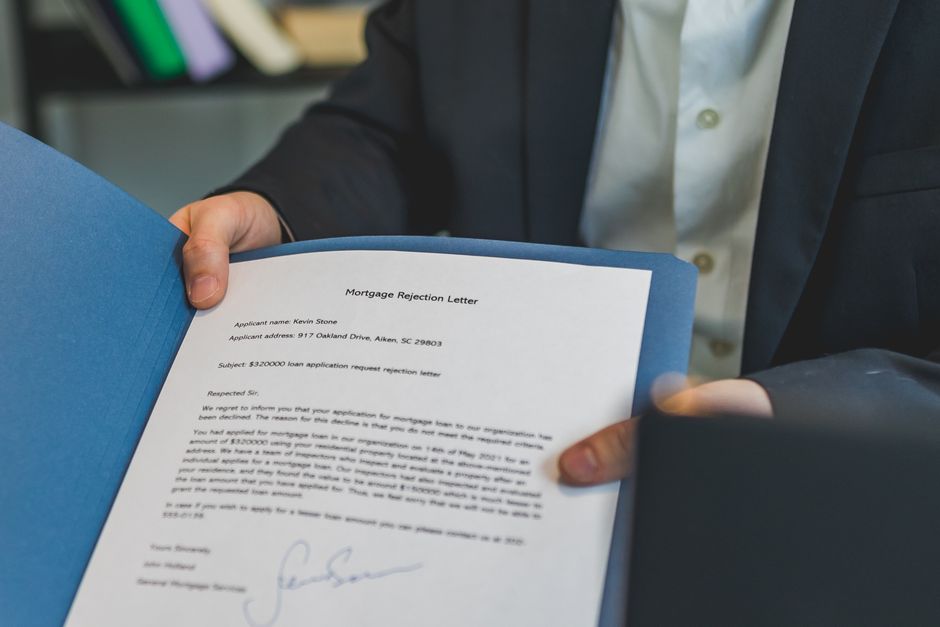
    mortgage paperwork

    Once your OpenAI billing is active, normal long-form posts will resume automatically.

  • CT Closing Costs Explained for Buyers and Sellers

    CT Closing Costs Explained for Buyers and Sellers

    What Are Closing Costs?

    Closing costs are the fees and expenses you incur when finalizing a real estate transaction. These costs typically include various services, taxes, and fees associated with the transfer of property ownership. In Connecticut, both buyers and sellers should be aware of these costs to better prepare for a smooth transaction.

    Typical Closing Costs for Buyers in CT

    As a buyer in Connecticut, you can expect to pay several closing costs. These may include loan origination fees, appraisal fees, title insurance, attorney fees, and property taxes. On average, buyers can expect to pay between 2% to 5% of the home’s purchase price in closing costs. It’s essential to ask your lender for a detailed estimate to avoid surprises.

    home buying process

    Typical Closing Costs for Sellers in CT

    Sellers in Connecticut also face closing costs, which typically include real estate agent commissions, title insurance, and transfer taxes. Sellers should budget for around 6% to 8% of the sale price to cover these costs. Understanding these expenses upfront can help you set a realistic sale price for your home.

    How to Prepare for Closing Costs

    Preparation is key when it comes to managing closing costs. For buyers, it’s advisable to get a Good Faith Estimate (GFE) from your lender early in the process. For sellers, working with a knowledgeable real estate agent can help clarify the anticipated costs. Additionally, consider setting aside extra funds to cover unexpected expenses that may arise during the closing process.

    Negotiating Closing Costs

    Both buyers and sellers can negotiate closing costs as part of the transaction. Buyers may ask sellers to cover some closing costs as part of the offer, while sellers may offer to pay a portion of the buyer’s costs to make their property more attractive. Open communication between both parties can lead to a more favorable agreement.

    Final Thoughts

    Understanding closing costs is crucial for anyone involved in a real estate transaction in Connecticut. By being informed about the various expenses and preparing adequately, you can navigate the closing process with confidence. Whether you’re buying or selling, knowing what to expect can help you achieve a successful transaction.

  • CT Closing Costs Explained for Buyers and Sellers

    CT Closing Costs Explained for Buyers and Sellers

    What Are Closing Costs?

    Closing costs are the fees and expenses that buyers and sellers incur during the process of finalizing a real estate transaction. They typically include a variety of charges, such as loan origination fees, title insurance, appraisal fees, and more. Understanding these costs is essential for both buyers and sellers to prepare financially for the closing day.

    Typical Closing Costs for Buyers

    In Connecticut, buyers can expect closing costs to range from 2% to 5% of the home’s purchase price. Common expenses include:

    – **Loan Origination Fees**: Charged by lenders for processing a new loan.
    – **Title Insurance**: Protects against potential disputes over the property title.
    – **Appraisal Fees**: Required to determine the property’s value.
    – **Inspection Fees**: Costs for home inspections to assess the property’s condition.
    – **Recording Fees**: Charged by the county to record the sale and mortgage.

    Being aware of these costs helps buyers budget effectively.

    Connecticut real estate

    Typical Closing Costs for Sellers

    Sellers in Connecticut also face various closing costs, which can amount to about 5% to 7% of the home’s selling price. Key costs include:

    – **Real Estate Agent Commission**: Typically 5% to 6% of the sale price, split between the buyer’s and seller’s agents.
    – **Title Insurance**: Often the seller’s responsibility to provide.
    – **Transfer Taxes**: Connecticut imposes a conveyance tax based on the sale price.
    – **Repairs and Credits**: Any negotiated repairs or credits to the buyer may also be deducted from the proceeds.

    Understanding these costs can aid sellers in setting a competitive listing price.

    Negotiating Closing Costs

    Both buyers and sellers have opportunities to negotiate closing costs. Buyers can ask sellers to cover some costs, such as closing fees or repairs, especially in a buyer’s market. Sellers might consider offering to cover some closing costs to make their property more attractive to potential buyers. Clear communication and negotiation can lead to a more favorable outcome for both parties.

    How to Prepare for Closing Costs

    Preparation is key when it comes to managing closing costs. Here are some tips:

    1. **Get Estimates**: Request a Good Faith Estimate (GFE) from your lender to understand the costs you may incur.
    2. **Budget Accordingly**: Factor closing costs into your overall budget when buying or selling.
    3. **Review the Closing Disclosure**: Before closing, review this document carefully to ensure all costs are accurate.
    4. **Consult Professionals**: Work with a knowledgeable real estate agent and attorney who can guide you through the process and help you understand all applicable fees.

    Being proactive will help you avoid surprises on closing day.

    Final Thoughts

    Closing costs are an essential aspect of real estate transactions in Connecticut, impacting both buyers and sellers. Understanding these costs and how they can be managed is crucial for a smooth closing experience. By being informed and prepared, you can navigate the closing process with confidence and ease.

    home buyers
  • CT Closing Costs Explained for Buyers and Sellers

    CT Closing Costs Explained for Buyers and Sellers

    What Are Closing Costs?

    Closing costs are fees associated with the purchase or sale of a property that are paid at the closing of a real estate transaction. These costs can include a variety of expenses such as loan origination fees, appraisal fees, title insurance, and more. In Connecticut, both buyers and sellers should be aware of these costs to better prepare for the financial aspects of their transaction.

    Typical Closing Costs for Buyers

    For buyers in Connecticut, closing costs typically range from 2% to 5% of the purchase price. Some common costs include:
    – **Loan Origination Fees**: Fees charged by the lender for processing the loan.
    – **Appraisal Fees**: Costs for a professional appraiser to assess the property’s value.
    – **Title Insurance**: Protects against potential disputes over property ownership.
    – **Inspection Fees**: Costs for home inspections to ensure the property is in good condition.
    Understanding these costs helps buyers budget effectively and avoid surprises.

    home buyers

    Typical Closing Costs for Sellers

    Sellers in Connecticut also face closing costs, generally ranging from 5% to 10% of the sale price. Some typical fees include:
    – **Real Estate Agent Commissions**: The most significant cost, usually around 5% to 6% of the sale price.
    – **Title Insurance**: Sellers often cover the owner’s title insurance policy, providing peace of mind to buyers.
    – **Transfer Taxes**: Connecticut imposes a tax on the transfer of property, which sellers are responsible for.
    – **Repairs and Concessions**: Any agreed-upon repairs or concessions from the sale may also factor into closing costs.

    Negotiating Closing Costs

    In many cases, buyers and sellers can negotiate who pays certain closing costs. For instance, sellers might agree to cover some of the buyer’s closing costs to make their offer more attractive. Buyers might also request a seller concession to help with costs. Having a knowledgeable real estate agent can make this process smoother and more beneficial for both parties.

    How to Prepare for Closing Costs

    Preparation is key when it comes to managing closing costs. Here are some tips for both buyers and sellers:
    – **Get a Good Faith Estimate**: Request this from your lender to understand your expected closing costs.
    – **Budget Accordingly**: Set aside funds for both expected and unexpected costs.
    – **Review the Closing Disclosure**: This document outlines all costs and fees associated with the transaction. Review it carefully to ensure accuracy.
    By taking these steps, you can reduce surprises and better manage your finances during the closing process.

    Final Thoughts

    Understanding closing costs is crucial for anyone involved in a real estate transaction in Connecticut. Whether you’re a buyer or a seller, being informed about what to expect can help you navigate the process with confidence. Always consult with a real estate professional to guide you through the details and ensure a smooth closing experience.

    home sellers
  • CT Closing Costs Explained for Buyers and Sellers

    CT Closing Costs Explained for Buyers and Sellers

    What Are Closing Costs?

    Closing costs are fees and expenses you pay when finalizing a real estate transaction. These costs can vary significantly depending on whether you are buying or selling a home. In Connecticut, closing costs typically range from 2% to 5% of the purchase price. It’s essential to understand these costs to budget accordingly and avoid surprises at the closing table.

    Closing Costs for Buyers

    As a buyer in Connecticut, you should be prepared for a variety of closing costs. These can include loan origination fees, appraisal fees, title insurance, and inspection fees. Additionally, you may need to cover prepaid taxes and homeowners insurance. It’s crucial to review your Loan Estimate, which your lender provides, to understand your specific closing costs and shop around for the best deals.

    real estate transaction

    Closing Costs for Sellers

    Sellers in Connecticut also encounter several closing costs. Common expenses include real estate agent commissions, title insurance, and transfer taxes. Sellers might also need to pay for repairs or concessions agreed upon during negotiations. Understanding these costs is vital for pricing your home correctly and ensuring you receive the maximum return on your investment.

    How to Estimate Your Closing Costs

    To estimate your closing costs, both buyers and sellers should consider working with a real estate agent who can provide a breakdown of anticipated expenses. Online calculators can also be useful tools for estimating costs. Keep in mind that closing costs can fluctuate based on various factors such as the property’s location and your financial situation. Always allow some buffer in your budget for unexpected expenses.

    Tips for Reducing Closing Costs

    There are several strategies to help minimize closing costs. Buyers can negotiate with sellers to cover a portion of these expenses or shop around for better loan terms. Sellers can also consider pricing their home competitively to attract more buyers, potentially reducing the negotiation period. Additionally, being informed and proactive about your options can lead to significant savings.

    Final Thoughts

    Understanding closing costs is critical for both buyers and sellers in Connecticut’s real estate market. By knowing what to expect and how to prepare, you can navigate the closing process more confidently. Always consult with real estate professionals and do your research to ensure you are making informed decisions throughout your home buying or selling journey.

    Connecticut homes
  • CT Closing Costs Explained for Buyers and Sellers

    CT Closing Costs Explained for Buyers and Sellers

    What Are Closing Costs?

    Closing costs are the fees and expenses you pay when finalizing a real estate transaction. In Connecticut, these costs can vary widely, but they generally encompass everything from lender fees to title insurance and taxes. It’s crucial for both buyers and sellers to understand these costs as they can significantly impact the overall price of the property.

    Typical Closing Costs for Buyers in Connecticut

    As a buyer in Connecticut, you can expect to pay several closing costs, which typically range from 2% to 5% of the purchase price. Common costs include:

    – **Loan Origination Fees**: Charged by the lender for processing your mortgage.
    – **Appraisal Fees**: Required to determine the property’s market value.
    – **Title Insurance**: Protects against any discrepancies in the property title.
    – **Recording Fees**: Charged by the local government to record your property ownership.
    – **Property Taxes**: Depending on the timing of your purchase, you may need to pay a portion of the annual property taxes at closing.

    real estate transaction

    Typical Closing Costs for Sellers in Connecticut

    Sellers also incur closing costs when selling their home. These usually amount to around 6% of the sale price and can include:

    – **Real Estate Agent Commissions**: Typically the largest expense, usually around 5-6% of the sale price.
    – **Title Insurance**: Commonly paid by the seller to ensure clear title transfer.
    – **Transfer Taxes**: Connecticut charges a transfer tax based on the sale price of the property.
    – **Repairs and Negotiated Credits**: If repairs are necessary, sellers may agree to cover costs at closing.

    Understanding these costs upfront can help sellers set realistic expectations and pricing.

    How to Prepare for Closing Costs

    Preparing for closing costs involves budgeting and understanding what to expect. Buyers should ask their lender for a Loan Estimate, which outlines the expected costs associated with their mortgage. Similarly, sellers should consult with their real estate agent to get a clear picture of potential closing costs. Setting aside a separate fund to cover these expenses can also be beneficial to avoid surprises at closing.

    Negotiating Closing Costs

    Both buyers and sellers can negotiate certain closing costs. Buyers may request that sellers cover some of their closing costs as part of the purchase agreement, especially in a buyer’s market. Sellers, on the other hand, can negotiate with their agents regarding commission fees or ask buyers to cover specific fees. Open communication and a good understanding of the market conditions can help facilitate these negotiations.

    Conclusion: Be Informed and Prepared

    In summary, understanding closing costs in Connecticut is essential for both buyers and sellers. By being informed about what to expect and preparing accordingly, you can navigate the closing process more smoothly. Whether you’re buying your first home or selling a long-time residence, knowing these costs will empower you to make better financial decisions.

    home buying selling costs
  • CT Closing Costs Explained for Buyers and Sellers

    CT Closing Costs Explained for Buyers and Sellers

    What Are Closing Costs?

    Closing costs are the fees and expenses that must be paid when finalizing a real estate transaction. In Connecticut, these costs can vary significantly between buyers and sellers, and they often include a variety of fees such as loan origination fees, title insurance, and appraisal charges. Understanding these costs is crucial for both parties involved in the transaction.

    Typical Closing Costs for Buyers

    As a buyer in Connecticut, you can expect to pay several closing costs that may include the down payment, loan origination fees, appraisal fees, credit report fees, and title insurance. Additionally, buyers should be prepared for property taxes and homeowners insurance, which may be collected at closing. It’s essential to budget for these costs to avoid any surprises on closing day.

    Connecticut real estate

    Typical Closing Costs for Sellers

    Sellers also face various closing costs when they sell their property. Common fees include real estate agent commissions, title insurance, and any remaining property taxes. Sellers may also need to cover any repairs or concessions agreed upon during negotiations. Being aware of these costs helps sellers set the right price and understand their net proceeds from the sale.

    How to Estimate Your Closing Costs

    Estimating your closing costs can help both buyers and sellers plan financially. For buyers, a good rule of thumb is to budget about 3-5% of the home’s purchase price for closing costs. Sellers can expect to pay around 6-8% of the sale price when accounting for commissions and other expenses. Utilizing an online closing cost calculator specific to Connecticut can also provide more precise estimates.

    Negotiating Closing Costs

    In Connecticut, closing costs are often negotiable. Buyers may ask sellers to cover a portion of the closing costs as part of the negotiation process. Similarly, sellers might be willing to adjust their asking price to accommodate the buyer’s closing costs. Open communication and a good real estate agent can help facilitate these discussions to ensure a fair agreement.

    Final Thoughts

    Understanding and preparing for closing costs is essential for a smooth transaction in Connecticut’s real estate market. Whether you’re buying or selling, being informed about what to expect can help you avoid surprises and make the process more enjoyable. Always consult with your real estate agent or a financial advisor for personalized advice tailored to your situation.

    home buying process
  • CT Closing Costs Explained for Buyers and Sellers

    CT Closing Costs Explained for Buyers and Sellers

    What Are Closing Costs?

    Closing costs are the fees and expenses incurred when finalizing a real estate transaction. These costs can vary significantly depending on whether you are a buyer or a seller, and understanding them is crucial for a smooth closing process. In Connecticut, closing costs typically range from 2% to 5% of the purchase price of the home.

    Closing Costs for Buyers

    As a buyer in Connecticut, you can expect to pay a variety of closing costs. These may include loan origination fees, appraisal fees, title insurance, and recording fees. Additionally, buyers should budget for property taxes and homeowners insurance, which can also be collected at closing. It’s important to review your Loan Estimate document from your lender to understand all anticipated costs.

    Connecticut real estate

    Closing Costs for Sellers

    Sellers also face closing costs, which can differ from those of buyers. Common expenses include real estate agent commissions, title insurance, and any outstanding property taxes. Sellers may also be responsible for repairs or concessions agreed upon in the sale contract. Knowing these costs ahead of time can help sellers price their homes more accurately and avoid surprises at closing.

    How to Estimate Your Closing Costs

    To get a clearer picture of your closing costs, both buyers and sellers can use online calculators or consult with their real estate agents. These tools can provide an estimate based on the specific details of the transaction, including the home’s sale price and location. In Connecticut, it’s recommended to set aside an additional 1% of the purchase price for miscellaneous closing costs that may arise.

    Negotiating Closing Costs

    In many cases, closing costs can be negotiated between buyers and sellers. For instance, buyers may request that sellers cover some of their closing costs in exchange for a higher purchase price. Conversely, sellers may offer to pay a portion of the buyer’s costs to make their home more attractive. Open communication and negotiation can lead to a more favorable outcome for both parties.

    Final Thoughts on Closing Costs

    Closing costs are an essential aspect of any real estate transaction in Connecticut. By understanding what to expect and preparing accordingly, both buyers and sellers can ensure a more efficient closing process. Always consult with your real estate agent or a financial advisor to clarify any uncertainties and make informed decisions.

    home buying and selling
  • CT Closing Costs Explained for Buyers and Sellers

    CT Closing Costs Explained for Buyers and Sellers

    What Are Closing Costs?

    Closing costs are the fees and expenses you incur when finalizing a real estate transaction. These costs can vary significantly depending on whether you’re buying or selling a property. In Connecticut, buyers and sellers should expect to pay a range of fees at closing, generally totaling between 2% to 5% of the sale price.

    Closing Costs for Buyers

    As a buyer in Connecticut, your closing costs typically include loan origination fees, appraisal fees, title insurance, and attorney fees. You may also need to pay for inspections and property taxes. On average, buyers can expect to pay around 3% to 5% of the purchase price in closing costs. It’s essential to budget for these expenses to avoid any last-minute surprises.

    real estate transaction

    Closing Costs for Sellers

    Sellers in Connecticut also face various closing costs. These may include agent commissions, title insurance, and other fees associated with transferring ownership. Sellers usually pay a higher percentage in closing costs, often around 5% to 7% of the home’s sale price. Understanding these costs upfront can help you set a realistic selling price and prepare for your net proceeds.

    Negotiating Closing Costs

    One of the unique aspects of real estate transactions in Connecticut is the potential for negotiating closing costs. Buyers may ask sellers to cover some of their closing costs as part of the offer. Conversely, sellers can also negotiate the costs they are willing to pay on behalf of the buyer. Open communication and negotiation can lead to a win-win situation for both parties.

    How to Prepare for Closing Costs

    Preparation is key when it comes to managing closing costs. For buyers, it’s wise to get a Good Faith Estimate (GFE) from your lender to understand expected fees. Sellers should consult with their real estate agent to get a breakdown of their anticipated closing costs. Additionally, setting aside extra funds beyond your down payment can help ensure you’re ready for any unexpected expenses that may arise.

    Conclusion

    Understanding and preparing for closing costs is crucial for both buyers and sellers in Connecticut. By knowing what to expect and planning ahead, you can navigate the closing process more smoothly. Whether you’re entering the market as a buyer or a seller, being informed will help you make sound financial decisions and lay the groundwork for a successful real estate transaction.

  • CT Closing Costs Explained for Buyers and Sellers

    CT Closing Costs Explained for Buyers and Sellers

    What Are Closing Costs?

    Closing costs are fees associated with finalizing a real estate transaction. These costs can include a variety of expenses that both buyers and sellers need to consider. In Connecticut, closing costs typically range from 2% to 5% of the home’s purchase price. Understanding these costs is vital for effective budgeting during the buying or selling process.

    Closing Costs for Buyers

    As a buyer in Connecticut, you’ll encounter several specific closing costs. These may include loan origination fees, appraisal fees, title insurance, and attorney fees. Additionally, buyers are often responsible for pre-paid expenses like property taxes and homeowners insurance. It’s essential to review the Loan Estimate provided by your lender, which outlines these costs in detail.

    Connecticut real estate

    Closing Costs for Sellers

    Sellers also face closing costs when selling their property. Common expenses include real estate agent commissions, attorney fees, and transfer taxes. In Connecticut, sellers are required to pay a conveyance tax, which is based on the sale price of the home. It’s important for sellers to understand these costs to avoid surprises when closing day arrives.

    Negotiating Closing Costs

    In Connecticut, both buyers and sellers may have room to negotiate certain closing costs. Buyers can request that sellers cover some of their closing expenses, known as seller concessions. This can be particularly helpful for first-time buyers or those on a tight budget. Sellers, on the other hand, may need to be flexible to make their property more attractive to potential buyers.

    How to Prepare for Closing Costs

    Preparing for closing costs involves careful budgeting and planning. Buyers should set aside a portion of their savings to cover these costs, while sellers should aim to understand their financial responsibilities ahead of time. Consulting with a real estate agent or attorney can provide valuable insights tailored to your specific situation. Additionally, reviewing the closing disclosure a few days before closing can help ensure there are no unexpected surprises.

    Conclusion

    Understanding closing costs is a key part of the real estate process in Connecticut. By knowing what to expect and preparing accordingly, both buyers and sellers can navigate their transactions more smoothly. Whether you’re purchasing your first home or selling a property, being informed about closing costs will help you make better financial decisions.

    home buying